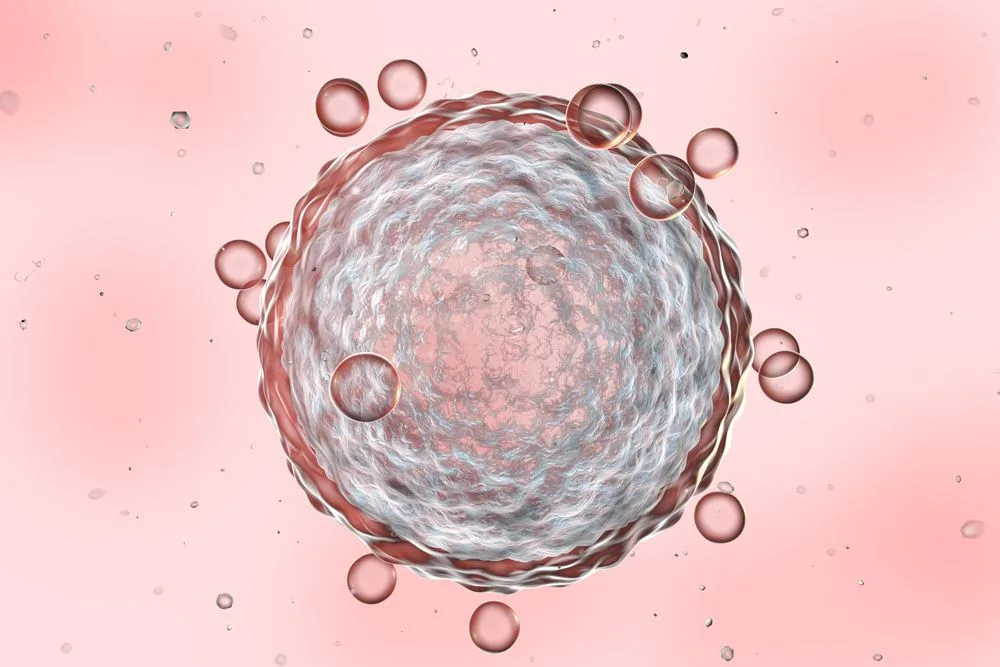
EGG DONATION
Worldwide, 10-15% of couples of reproductive age have difficulty achieving a pregnancy. Even so, there are women who will only fulfil their dream of having a child with the help of another woman who donates her eggs to them.
Egg donation enables women who could not otherwise become pregnant to complete their family. These are mainly women who have no eggs, or whose remaining eggs are few and of poor quality, as in women of advanced reproductive age. They also include women with premature ovarian insufficiency, that is, women whose periods stop before 40, or with a genetic condition such as Turner syndrome that carries a risk of passing the problem on to their children. Finally, patients with cancer or autoimmune diseases who have undergone chemotherapy or radiotherapy that has irreparably damaged their ovaries need donor eggs.
The dilemmas faced by recipients mostly concern the health of the child to be born. As we know, the eggs of a woman over 40 carry a high chance of chromosomal abnormalities and serious health problems for the child. The recipient therefore benefits from a healthy baby, since the eggs come from young women.
Before the procedure, the egg donor undergoes thorough screening: we take a detailed medical history, and blood tests, as required by the new law, and a gynaecological examination are carried out. If her health is good, she then takes hormone treatment for 10-12 days to stimulate her ovaries, exactly as in a normal IVF cycle.
Modern prenatal testing of embryos, whether in the laboratory or during pregnancy, leaves no room for doubt for the new parents. At the clinic of specialist doctor Alexandros Traianos, couples are given all the legal and clinical information about egg donation needed to safeguard their future family.
*The content of this blog is not intended to replace professional medical advice, diagnosis or treatment. Always seek the advice of qualified healthcare providers with any questions you may have about medical conditions.

He supports scientific excellence in clinical practice and recognizes the possibilities offered by modern reproductive methods to couples who wish to have a child of their own.
His profileThe content of this article is for information only and does not replace a medical examination and advice.