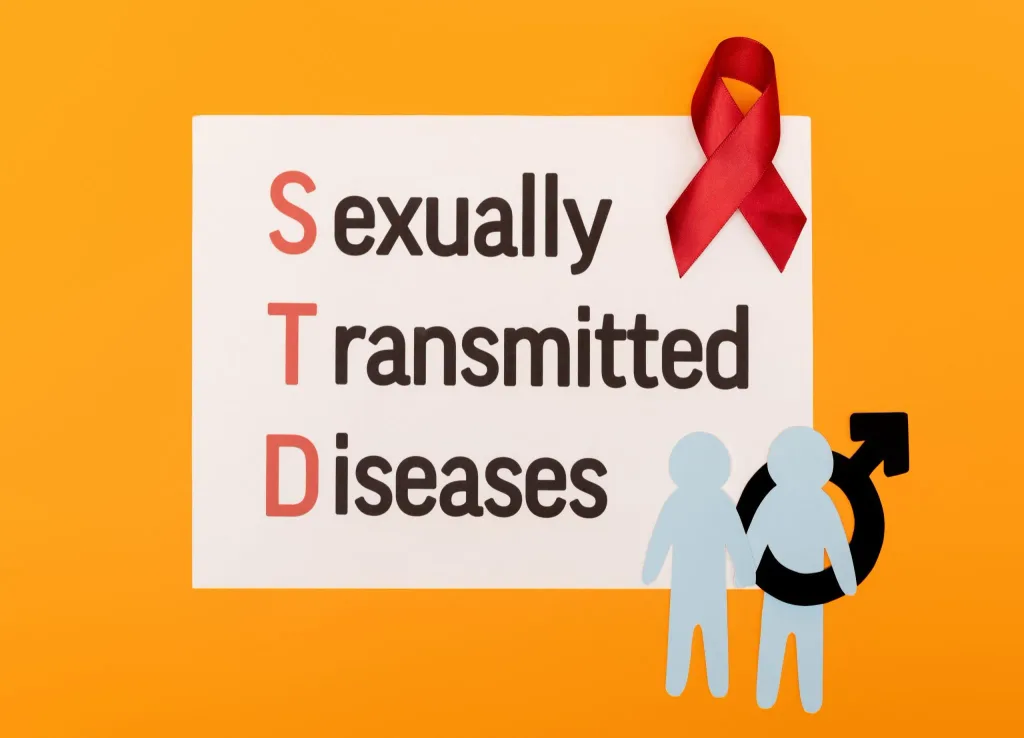
FERTILITY AND SEXUALLY TRANSMITTED DISEASES
CONTENTS
Sexually transmitted infections (STIs) affect fertility in both men and women, often without any immediate symptoms. Early diagnosis and treatment are crucial for preserving reproductive health and reducing the risk of serious complications.
How STIs Affect Fertility
STIs such as chlamydia and gonorrhoea can cause inflammation and scarring in the reproductive system, leading to problems such as:
- Blocked fallopian tubes in women, which can prevent ovulation.
- Reduced sperm quality in men, lowering the chances of conception.
Prevention Tips
- Regular medical check-ups: Regular STI screening is essential, especially if you are thinking about having children. Even without symptoms, STIs can affect fertility.
- Using protection: Using condoms during sexual intercourse significantly reduces the risk of STI infection.
- Talking to your partner: Talk to your partner about preventing STIs and taking precautions.
Treatment and Management
If you have been diagnosed with an STI, treatment may include antibiotics or other medication. Starting treatment promptly is essential to avoid permanent damage to the reproductive system.
Examples of Managing STIs in Relation to Fertility:
- Antibiotics for bacterial infections: These treat chlamydia and gonorrhoea before they cause serious problems.
- Advice from a fertility specialist: This can help preserve your reproductive health and prevent future problems.
Prevention and early diagnosis are the keys to keeping your fertility safe. See a reproductive medicine specialist for advice and personalised care, safeguarding your health and your future options.

He supports scientific excellence in clinical practice and recognizes the possibilities offered by modern reproductive methods to couples who wish to have a child of their own.
His profileThe content of this article is for information only and does not replace a medical examination and advice.