IUI AND IVF: WHAT IS THE DIFFERENCE?
CONTENTS
Two of the most common fertility treatments are intrauterine insemination (IUI) and in vitro fertilisation (IVF). If you are having difficulty conceiving naturally, you may be considering your fertility treatment options. Naturally, you probably have some questions about what each of these treatments can do and how they differ. At our Centre for Reproductive Medicine we can guide you through the differences between IUI and IVF, helping you decide which option is best for you.
The intrauterine insemination (IUI) procedure
During an IUI procedure (or artificial insemination), the intended father's sperm is introduced once or twice into the uterus of the intended mother or gestational surrogate in the days following her ovulation. By placing the sperm directly into the uterus, IUI increases the chance that sperm and egg will meet to create a fertilised embryo. Using higher concentrations of good-quality sperm also increases the likelihood of successful conception and pregnancy.
Advantages and disadvantages of IUI
IUI is often chosen because it is less time-consuming and usually less expensive than IVF. During the IUI procedure, the sperm of the male partner (or of a donor) is introduced directly into the uterus. The procedure is timed to coincide with the female partner's ovulation. Intrauterine insemination is usually recommended for women under 35, as women in this age group have a higher success rate than those over 35. Women aged 40 and over have the lowest success rate with IUI, with a chance of just 5%. It is also important to note that, because IUI may be combined with fertility drugs to stimulate the ovaries, the likelihood of a multiple birth (twins or more) is higher. Women often opt for two to three cycles of IUI before attempting IVF, if the IUIs are unsuccessful.
The in vitro fertilisation (IVF) procedure
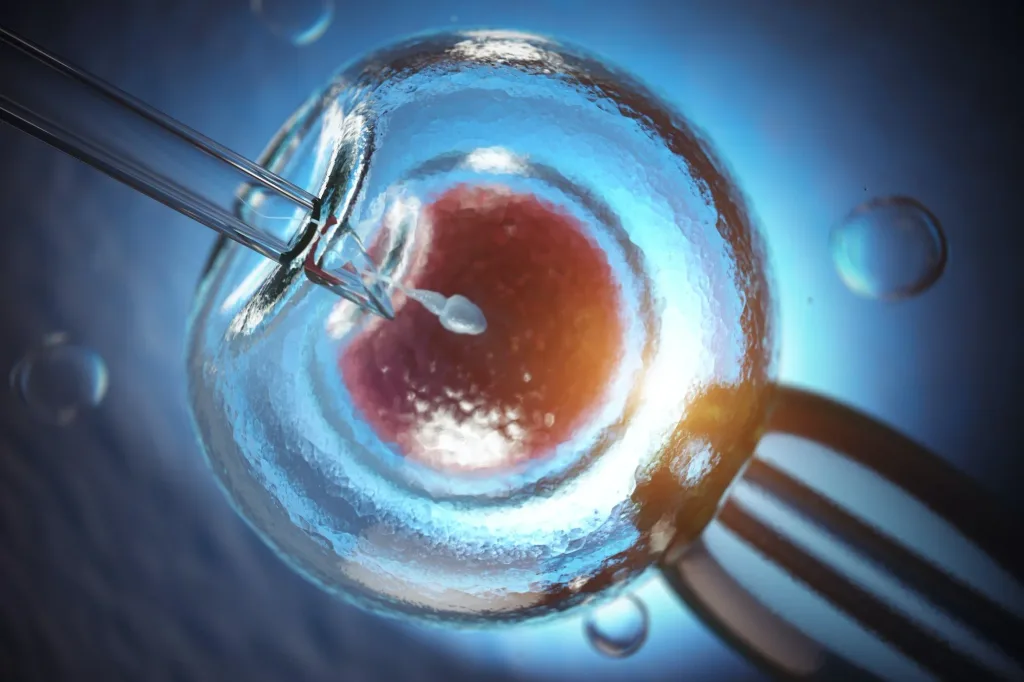
IVF is one of the most popular and successful methods of treating infertility. As mentioned above, if three or more rounds of IUI fail, trying IVF is recommended. With this method, fertility drugs are used to stimulate the ovaries, prompting them to produce more than one egg at a time. Once mature, the eggs are retrieved and fertilised with sperm in the laboratory. The resulting embryos are then transferred to the uterus. Once this embryo transfer procedure is complete, the embryos can attach to the lining of the uterus, resulting in a pregnancy.
Why intended parents choose IVF
In general, IVF has higher success rates. It is the most appropriate method for women over 40. In addition, IVF gives the fertility specialist and the intended parents more control over the number of embryos transferred to the uterus, which reduces the risk of a multiple birth. However, IVF requires more fertility medication and carries a higher overall cost. IVF is more expensive than artificial insemination, so consulting a fertility specialist about the specific cause of your infertility will be essential to determine whether IVF or IUI is right for you.
How do you choose between IUI AND IVF?
The best way to determine whether IUI or IVF is right for you is to consult an experienced fertility specialist. Ultimately, you may know the right decision for yourself, but specialists can make recommendations based on your age, your health and the cause of your infertility. Younger couples usually have greater success with IUI, so they may be better candidates. However, if fertilisation is not successful and several rounds of IUI are needed, this option can become expensive. For this reason, it is important to weigh up the costs, benefits and risks before making your decision.
Find out which fertility treatment is right for you
If you have been trying for a baby for more than a year without success, it may be time to talk to a fertility specialist. Contact our centre to schedule a consultation and learn more about the differences between IUI and IVF fertility treatments.

He supports scientific excellence in clinical practice and recognizes the possibilities offered by modern reproductive methods to couples who wish to have a child of their own.
His profileThe content of this article is for information only and does not replace a medical examination and advice.