
PREGNANCY TEST FOR DOWN SYNDROME
With prenatal screening for Down syndrome we try to find out whether the baby has this syndrome as early as possible in pregnancy.
Screening tests do not give a definitive answer as to whether the baby has Down syndrome, but an estimate of how likely this is. If that likelihood is judged to be relatively high, further testing may be recommended with what are known as diagnostic tests. These tests give a clear result: the answer we receive is that the baby either has Down syndrome or does not. These tests involve obtaining the baby's genetic material by amniocentesis or chorionic villus sampling. This material is then analysed and the relevant conclusions are drawn.
[caption id="attachment_3669" align="alignnone" width="1024"]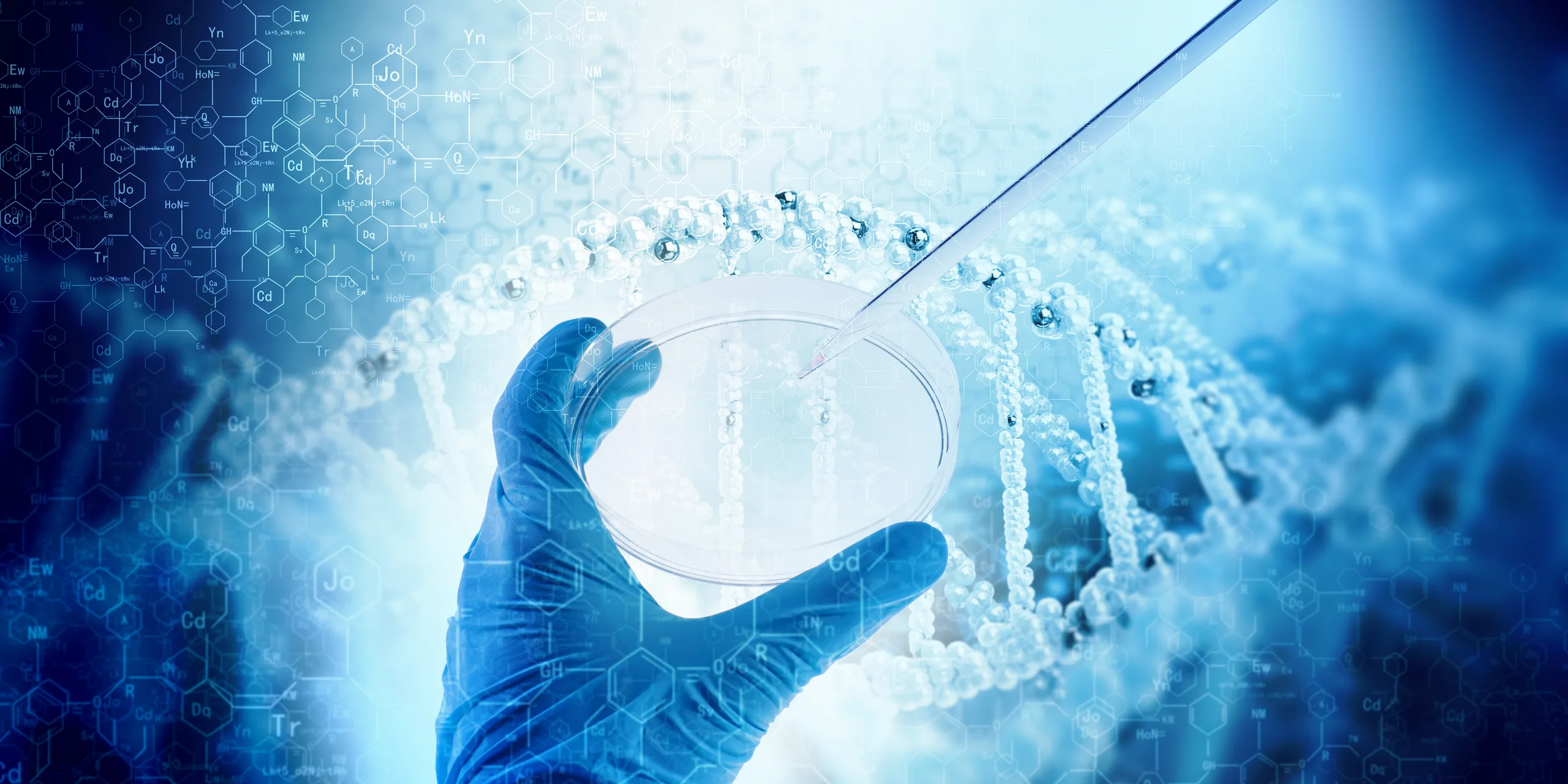 During pregnancy, the mother-to-be's blood contains not only her own DNA but also the baby's, which also circulates freely. This fetal DNA is known as cell-free DNA. Using laboratory methods, we can draw conclusions about the baby's sex, its Rhesus group and whether it has:[/caption]
- Down syndrome (Trisomy 21)
- Trisomy 18
- Trisomy 13
The fetal DNA test on the mother's blood can be used by expectant mothers who have no particular risk factors and want to know how likely it is that their baby is affected by one of the most common trisomies, without taking on the risk of miscarriage associated with CVS and amniocentesis.

He supports scientific excellence in clinical practice and recognizes the possibilities offered by modern reproductive methods to couples who wish to have a child of their own.
His profileThe content of this article is for information only and does not replace a medical examination and advice.