Endometriosis and obstetric complications
Endometriosis and obstetric complications
Doctors propose ways to reduce obstetric complications in women with endometriosis
Endometriosis is a pathological process involving the growth of benign tissue (morphologically and functionally similar to the endometrium) outside the uterine cavity. In the premenstrual phase, the endometrium becomes thicker and, if the egg is not fertilised, it is shed from the uterine cavity with menstruation. This process is almost painless in healthy women, but in patients with endometriosis it is accompanied by inflammation of the surrounding tissues.
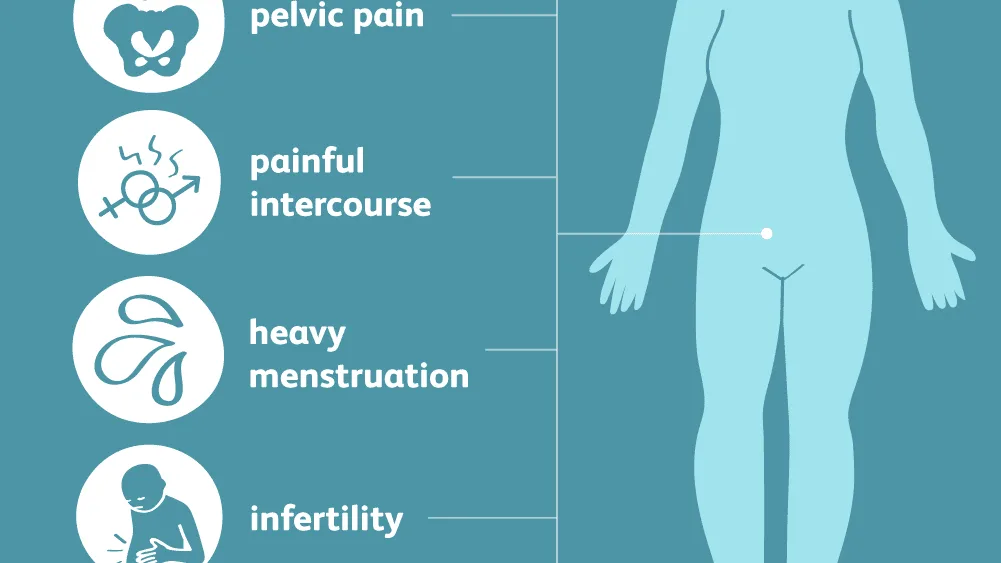
These patients suffer from chronic pelvic pain, menstrual cramps, painful intercourse and often infertility. Between 10% and 15% of women of reproductive age have endometriosis, and 30% to 40% experience complications during childbirth.
A team of doctors from RUDN University, together with their Italian colleagues, studied the data from existing studies on the effect of endometriosis on pregnancy and childbirth and proposed ways to reduce obstetric complications in women with this condition. The results of the work were published in The Journal of Maternal-Fetal & Neonatal Medicine.
Despite the prevalence of endometriosis, the patterns of obstetric complications have not yet been properly studied. The team of doctors from RUDN University and their Italian colleagues studied the data from previous work and proposed ways of preventing obstetric complications in women with this condition.
"Earlier studies focused on the biological factors that affect the course of pregnancy in women with endometriosis. We know that patients with endometriosis may experience miscarriage, preterm birth or other complications due to immune and endocrine disorders in the endometrium. However, the mechanism of obstetric complications is still unclear. That is why we carried out a systematic review of the literature and studied the effects of endometriosis on pregnancy, taking into account factors such as the method of treatment and conception, as well as the stage and location of the disease process. We also proposed ways of preventing obstetric complications in patients with a history of endometriosis," said one of the researchers.
The team analysed the results of previous studies, taking into account every possible complication: preterm birth, hypertensive complications in pregnancy, placental abnormalities, risk of caesarean section, fetal growth restriction and stillbirth. Based on the results of the study, the team proposed several methods for improving the pregnancy prognosis.
In particular, laparoscopy was cited as the main treatment option in the presence of adhesions. Laparoscopy is a modern surgical method that allows doctors to divide the adhesions between the peritoneum and the pelvic organs using special endoscopic instruments. This helps to treat infertility and reduces discomfort and pain in patients with endometriosis.
According to the team, methods of conception should be chosen according to the stage of the disease. It is recommended that patients with advanced stages of endometriosis undergo hormone treatment, and that women after surgery undergo in vitro fertilisation with embryo transfer (IVF / ET). The team proposed that all patients diagnosed with endometriosis should start taking 400 micrograms of folic acid before conception to reduce the risk of preterm birth.
"The results of different studies are conflicting: some did not take concurrent hormone treatment into account and some had methodological limitations. Nevertheless, we were able to build a fairly clear picture of all the possible obstetric complications in patients with endometriosis, establish causal relationships and identify issues for further discussion," the lead researcher concluded.
*The content of this blog is not intended to replace professional medical advice, diagnosis or treatment. Always seek the advice of qualified healthcare providers with any questions you may have about a medical condition.

He supports scientific excellence in clinical practice and recognizes the possibilities offered by modern reproductive methods to couples who wish to have a child of their own.
His profileThe content of this article is for information only and does not replace a medical examination and advice.
