SUMMER CRYOPreservation – HOW TO PROTECT YOUR FERTILITY
CONTENTS
Cryopreservation of eggs, sperm or embryos is a modern, safe and particularly useful method for those who want to preserve their fertility for the future. In the summer, with the increase in temperature, frequent travel and a more relaxed everyday life, many choose to proceed with this procedure, either for medical reasons or for personal planning.
Why is summer a good time for cryopreservation?
- More available time: Vacations and a more flexible routine make appointments and exams easier.
- Stress-free design: The relaxed mood of the summer months helps you make decisions with a clear mind.
- Protection before medical treatments: Those who are about to undergo treatments (e.g. chemotherapy) can ensure healthy genetic material in a timely manner.
The role of temperature and storage
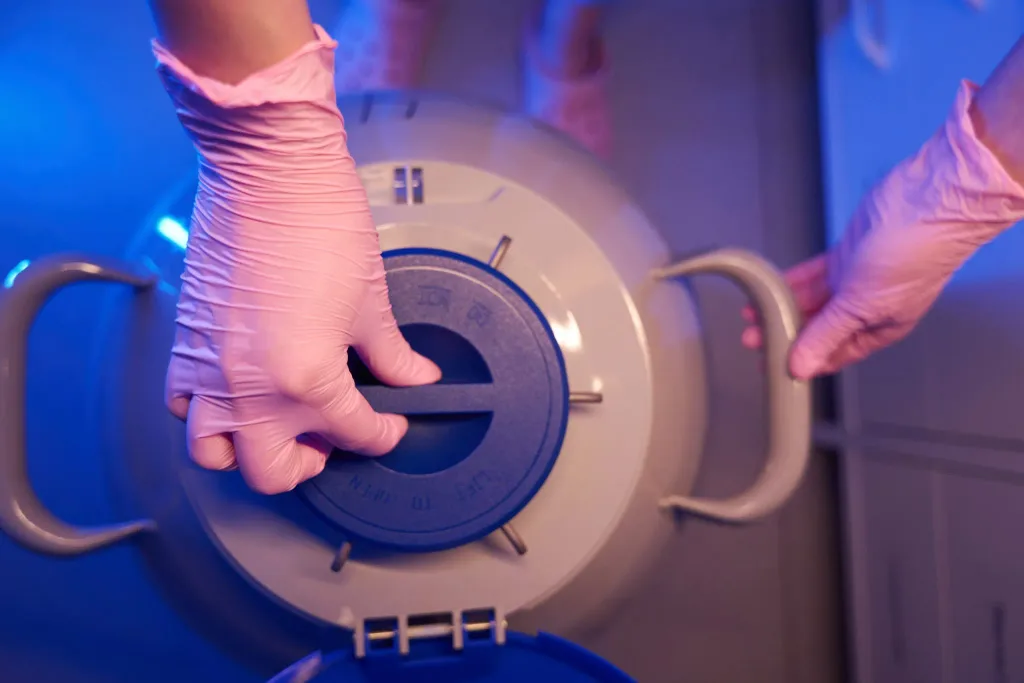
Cryopreservation is performed in special liquid nitrogen freezers, at temperatures of approximately -196°C, which ensures the integrity and quality of the eggs, sperm or embryos, regardless of external weather conditions. Thus, even in the hottest months, the process remains completely safe.
Who benefits?
- Women who want to preserve their fertility for later.
- Men who wish to store sperm before treatments or for future use.
- Couples undergoing IVF and wanting to store excess embryos.
- People who work or travel in conditions that may affect fertility.
Conclusion
Cryopreservation in the summer is not only feasible, but also ideal for those who want to organize their future with peace of mind. Proper information and guidance from a specialized doctor ensure the best possible result.

He supports scientific excellence in clinical practice and recognizes the possibilities offered by modern reproductive methods to couples who wish to have a child of their own.
His profileThe content of this article is for information only and does not replace a medical examination and advice.