GUIDE TO HEALTHY EATING DURING IVF
CONTENTS
Eating healthy food is one of the best forms of self-care. Fuelling your body with healthy, nutritious food helps you maintain a healthy body weight and avoid certain illnesses and chronic conditions such as high blood pressure and diabetes. What is more, when you eat the right foods you give your body a sense of well-being. There is no more important time to follow a healthy diet than when you are trying to conceive. In fact, some studies show that what you eat in the period leading up to IVF and during IVF cycles has a direct impact on the success of your treatment.
What the experts say
There are many so-called "fertility diets" on social media, and you will certainly hear plenty of advice from the people around you – but not all of this information is backed by scientific evidence. There are, however, recent studies which concluded that success rates among those who strictly followed the Mediterranean diet (rich in fruit, vegetables, nuts, fish and good fats) were higher than among those who did not.
Discovering the benefits of the Mediterranean Diet
Although it is referred to as a diet, the Mediterranean lifestyle is perhaps a more fitting term. A large body of research highlights the benefits of the Mediterranean lifestyle, noting that people living around the Mediterranean basin have lower rates of diseases that are more common in wealthier Western nations. Good cardiovascular health and the absence of diabetes were among the observations that drew attention and prompted further studies of the Mediterranean lifestyle. Physical activity such as walking and swimming, and regular social contact, all contribute to a balanced lifestyle. These activities clear the mind and help in managing stress. It is important to build these habits into your daily life as far as possible, whether or not you are going through IVF. But, of course, the cornerstone of the Mediterranean lifestyle is a healthy diet.
The diet
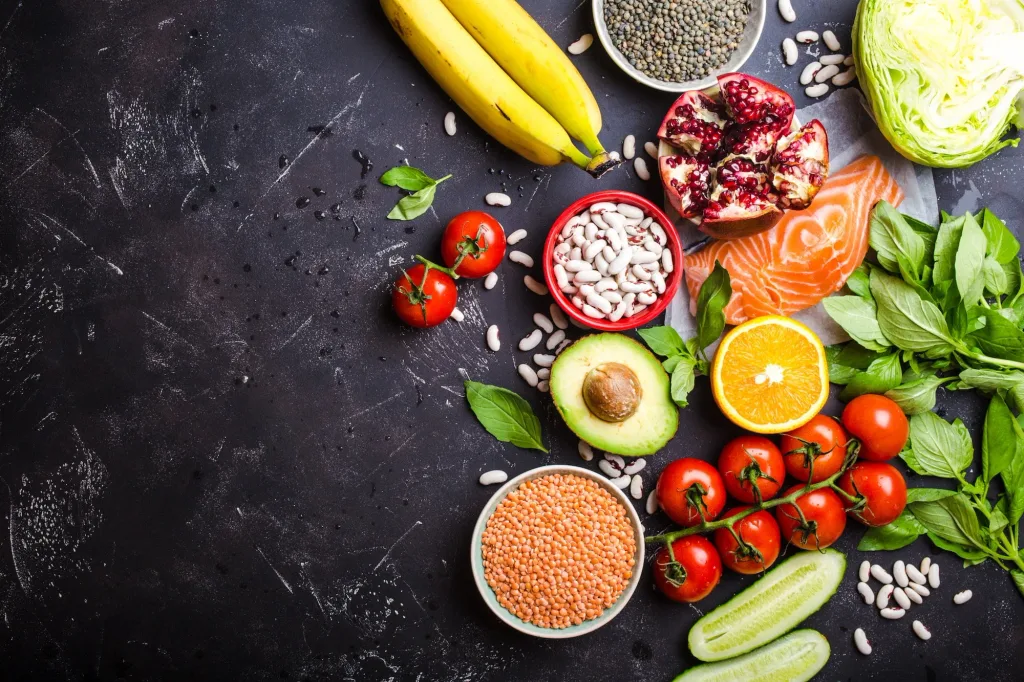
The traditional foods of the Mediterranean diet are usually unprocessed, organic and seasonal. Common foods in the Mediterranean diet:
- Fresh, seasonal and local vegetables and fruit
- Wholegrain cereals
- Limited amounts of fish (with your doctor's approval)
- Poultry (in moderation)
- Eggs (in moderation)
- Pulses (peas, beans, lentils and chickpeas)
- Healthy plant fats, such as avocado, nuts, nut butters, seeds and olive oil
Avoid processed foods (ready meals, tinned soups etc.), too much sugar and too much flour. You will notice that the Mediterranean diet includes red meat, but not in excessive amounts and not in processed form. Remember, of course, that every person has different nutritional needs. People who follow a vegan or vegetarian diet and those with food sensitivities or allergies can replace or avoid some of the foods on the list. Some hormonal conditions, such as polycystic ovary syndrome (PCOS), may also prevent you from enjoying some of the foods above.
Supplements
Both you and your partner should follow the diet as closely as possible for IVF to succeed. It is also often necessary to take certain supplements. A full range of vitamins and minerals that support the reproductive system and prepare your body for pregnancy is very important for your overall health.
Your IVF journey
Always guided by each person's individual needs and by up-to-date information, we stand by you with respect and empathy throughout your IVF journey. Contact the Alexandros Traianos Centre for Reproductive Medicine & Fetal Medicine by calling or by filling in the contact form. We are here for the answers you need!

He supports scientific excellence in clinical practice and recognizes the possibilities offered by modern reproductive methods to couples who wish to have a child of their own.
His profileThe content of this article is for information only and does not replace a medical examination and advice.