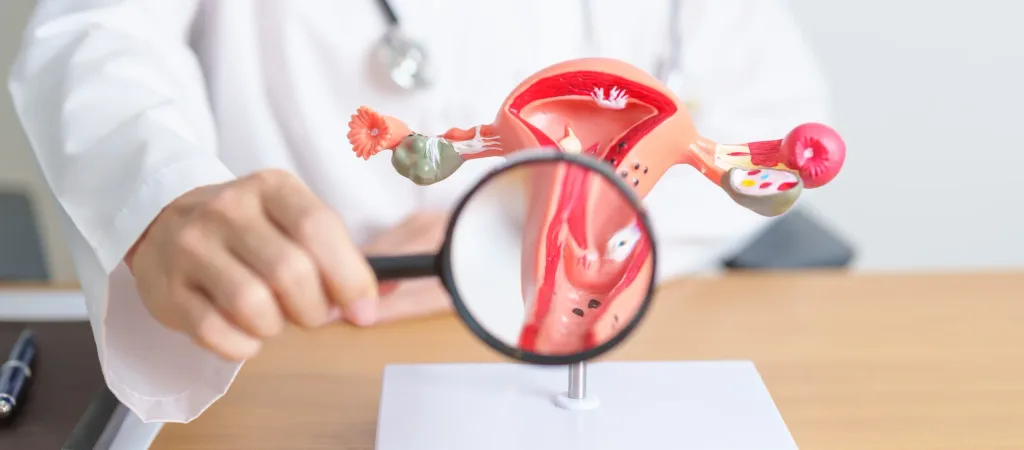
UTERINE POLYPODS
CONTENTS
Uterine polyps are small, soft growths that develop on the inside of the uterus. They vary in size, with some as small as a seed and others as large as golf balls. About 24% of women have uterine polyps.
What are the symptoms of uterine polyps?
The symptoms may not be very noticeable if you have smaller polyps; however, as the polyps grow, the symptoms can become more pronounced. Many women do not know they have polyps until they seek treatment for symptoms such as:
- Unpredictable or irregular periods
- Bleeding and spotting between periods
- Unusually heavy periods (defined as needing to change a tampon or pad every two hours)
- Miscarriage
- Infertility
What causes uterine polyps?
The exact cause of uterine polyps is not known , but doctors believe that oestrogen plays a role. As you approach the menopause, your hormone levels often change. This imbalance causes your oestrogen levels to fluctuate. Oestrogen is the main hormone that causes the lining of the uterus (endometrium) to thicken each month. An imbalance can cause overgrowth of the endometrium, creating uterine polyps.
Risk of miscarriage and effect on fertility
A miscarriage is an extremely distressing experience, especially for those struggling with infertility. The presence of polyps in the lining of the uterus can increase the risk of miscarriage. Polyps are an abnormality and trigger an inflammatory response in the body, particularly in the uterus. Because polyps cause irregular periods and abnormal bleeding, the lining of the uterus may start to shed or bleed just when your embryo is ready to implant. The inflammation also creates an inhospitable environment for the embryo and can cause a miscarriage. Specialists diagnose uterine polyps in about 25% of all women with unexplained infertility. Apart from recurrent miscarriage, uterine polyps are thought to hinder fertilisation by preventing sperm and egg from coming into contact. Of course, any risk of infertility or miscarriage associated with uterine polyps depends on the size and number of polyps in the uterus.
Restoring fertility
Removing the polyps means that your chances of pregnancy improve significantly. You can try natural conception, intrauterine insemination or IVF, depending on your diagnosis and your doctor's recommendation. Uterine polyps can come back, so you may need treatment more than once. In the rare event that your polyps are cancerous, your doctor may recommend a hysterectomy. In that case, pregnancy is possible through surrogacy.
If you are having difficulty conceiving and have any of the symptoms of uterine polyps, contact us. In most cases it is possible to remove your polyps and restore your fertility. As with any medical diagnosis, your experience is your own and unique to you. Contact the "Dr. Alexandros Traianos" Centre for Reproductive Medicine today and together we will help you find the answers you are looking for. For information, call ☎️(+30) 2310 277 032 or send a message to 📧email alexandrostraianos@gmail.com.

He supports scientific excellence in clinical practice and recognizes the possibilities offered by modern reproductive methods to couples who wish to have a child of their own.
His profileThe content of this article is for information only and does not replace a medical examination and advice.