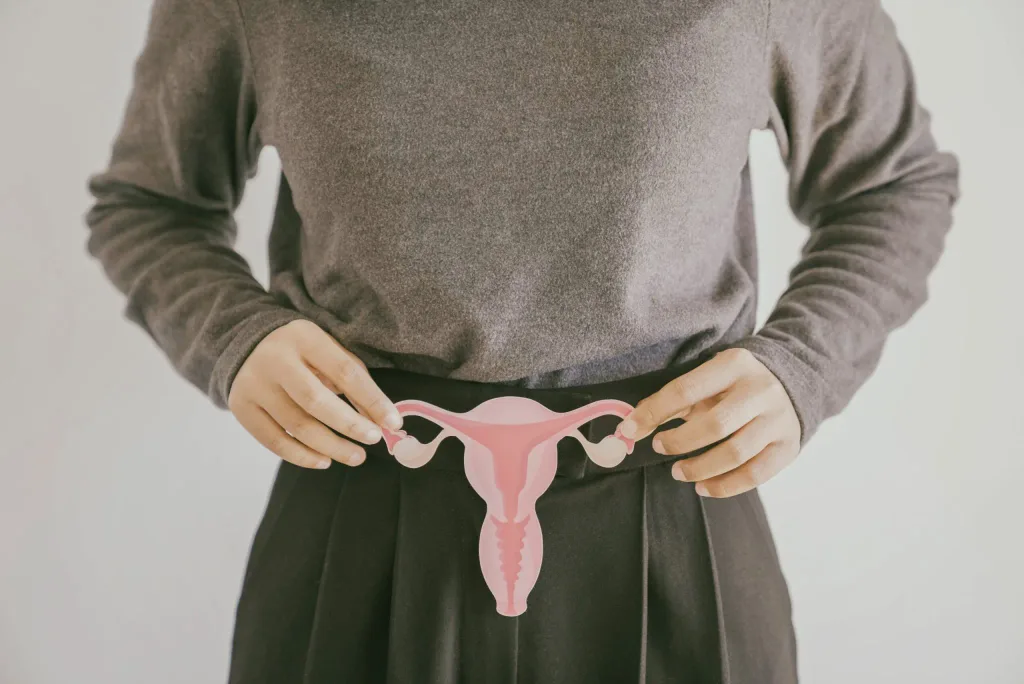
SEPTEMBER : POLYCYSTIC OVARY SYNDROME (PCOS) AWARENESS MONTH
CONTENTS
Polycystic Ovary Syndrome (PCOS) is one of the most underdiagnosed disorders in the world, with fewer than 25% of women who have the disorder not having been correctly diagnosed. Many women with PCOS may not even realise that something is wrong, or may show no significant signs of any problem. Even so, PCOS is a serious condition and a major contributor to fertility problems in women. But what exactly is it? And, more importantly, how can it be managed, and how can a woman with PCOS safely improve her chances of having a healthy child? This article explains what PCOS is, its causes and symptoms, how to manage them, and even how to have children after a PCOS diagnosis.
An overview of PCOS
Polycystic ovary syndrome (PCOS) is a hormonal disorder commonly seen in women of reproductive age. The ovaries produce unusually high levels of hormones called androgens. This causes an imbalance of the reproductive hormones. As a result, people with PCOS often have irregular menstrual cycles, missed periods and unpredictable ovulation. Multiple small cysts may develop on the ovaries because ovulation does not take place.
PCOS is one of the most common causes of female infertility. It can also increase the risk of other health conditions. A reproductive medicine specialist can treat PCOS according to your symptoms and your plans for having children. With the help of IVF , many women with PCOS can still achieve their goal of having healthy babies.
What causes PCOS?
Broadly speaking, PCOS is caused by a hormonal imbalance. Changes in hormone levels affect women's health, well-being and physical appearance. The exact cause of the condition is unknown- PCOS sometimes runs in families, but it is generally accepted that it may result from a combination of genetic and environmental factors. Unbalanced hormone levels are a key reason why PCOS leads to fertility problems. For example, insulin is a hormone that controls blood sugar levels in the body. Many women with PCOS are resistant to the action of insulin in their bodies, and as a result they produce higher levels of insulin to overcome this. This extra insulin can cause a host of other health problems, as well as making it harder to become pregnant and to have a healthy journey through to birth. Weight is usually considered a contributing factor as well- being overweight or obese can also increase the amount of insulin the body produces.
What are the symptoms of PCOS?
One of the symptoms of PCOS is hyperandrogenism, which can cause acne, increased body hair, hair loss from the scalp and weight gain. PCOS can lead to irregular menstrual periods and difficulty becoming pregnant. Symptoms can vary.
The symptoms and complications of PCOS may include:
- Infertility
- Acne or oily skin
- Excessive body hair
- Multiple cysts on the ovaries
- Missed or irregular periods
- Balding or thinning hair
- Depression, anxiety and eating disorders
- Weight gain, especially around the abdomen
- Gestational diabetes or pregnancy-induced high blood pressure
What can you do if you have PCOS?
If you have missed or irregular periods, excessive hair growth, acne and weight gain, you should contact your doctor for an assessment. Your doctor will ask about your medical history and your symptoms. A physical examination is usually carried out. A pelvic examination is usually added as well. This examination checks the health of your reproductive organs, both inside and outside your body.
You may also have tests such as:
- Transvaginal ultrasound: This ultrasound is used to check the size of the ovaries and to see whether there are any cysts. The scan can also look at the thickness of the endometrial lining of the uterus.
- Blood tests: A panel of hormone levels will be assessed, including high levels of androgens and other hormones. Your doctor may also check your blood glucose levels. Your cholesterol and triglyceride levels may also be checked.
What are the treatments for infertility caused by PCOS?
IVF is one of the most common treatments for women with PCOS who want to have children. With IVF, there is a greater chance of becoming pregnant, with lower risks. The medication protocol will be decided on the basis of an assessment by an IVF specialist. At our centre, we monitor the ovarian response by checking oestradiol levels and performing transvaginal ultrasound scans. We specialise in treating women with PCOS and offer several IVF stimulation protocol options. Our IVF specialist will choose the best medication protocol for each patient based on the results of her assessment and will explain the details further during a consultation.
The IVF success rate in PCOS is around 70%, which is excellent for women with PCOS who want to conceive.
If you are having difficulty conceiving, think you may have signs or symptoms, or have general questions about PCOS, contact the “Dr. Alexandros Traianos” Reproductive Medicine Centre today and together we will help you find the answers you are looking for. For information, call ☎️(+30) 2310 277 032 or send a message to 📧email alexandrostraianos@gmail.com.

He supports scientific excellence in clinical practice and recognizes the possibilities offered by modern reproductive methods to couples who wish to have a child of their own.
His profileThe content of this article is for information only and does not replace a medical examination and advice.