ARE THERE OCCUPATIONS WITH FERTILITY RISKS?
You have probably heard that you should think about your health and lifestyle when you want to try to conceive. Perhaps you have made changes to your diet or stopped smoking or drinking alcohol. These are all great steps! But have you ever thought about your job? The truth is that some occupations carry fertility risks.
Knowledge is power, so you can protect your fertility by learning more about these "risky" jobs and how to keep yourself safe. Our specialists are here to give you the information you need.
Which occupations carry fertility risks?
For a pregnancy to succeed, a sperm must fertilise an egg and the fertilised egg must implant in the uterus. As a result, women need a good supply of eggs, a healthy uterus and normal levels of reproductive hormones. Men, too, need normal hormone levels as well as healthy sperm. In occupations with fertility risks, men and women are more likely to be exposed to certain toxins and hazards that can affect reproductive health.
→ In medical and dental practices, workers may be exposed to radiation, solvents and chemicals, all of which can adversely affect female fertility.
→ Pesticides used in agricultural work can affect reproductive hormones.
→ Working night shifts can also affect a woman's hormone levels. Some research has also shown that night shifts can affect ovulation and egg quality.
→ Physical strain and chemical exposure in construction and manufacturing can be harmful to both male and female fertility.
→ Jobs that involve a lot of driving can affect sperm health because of their sedentary nature.
If you work in one of these occupations with fertility risks, there is no need to panic. At our Centre, we suggest steps you can take to protect your fertility at work.
Do you need a little extra help to conceive?
Many people need help from a specialist on the road to parenthood. This is true even for men and women who do not work in high-risk jobs. If you are having difficulty conceiving, our team is here to find out the cause. With a diagnosis in hand, they can then create a tailored treatment plan. Contact us to arrange an appointment and find out more.

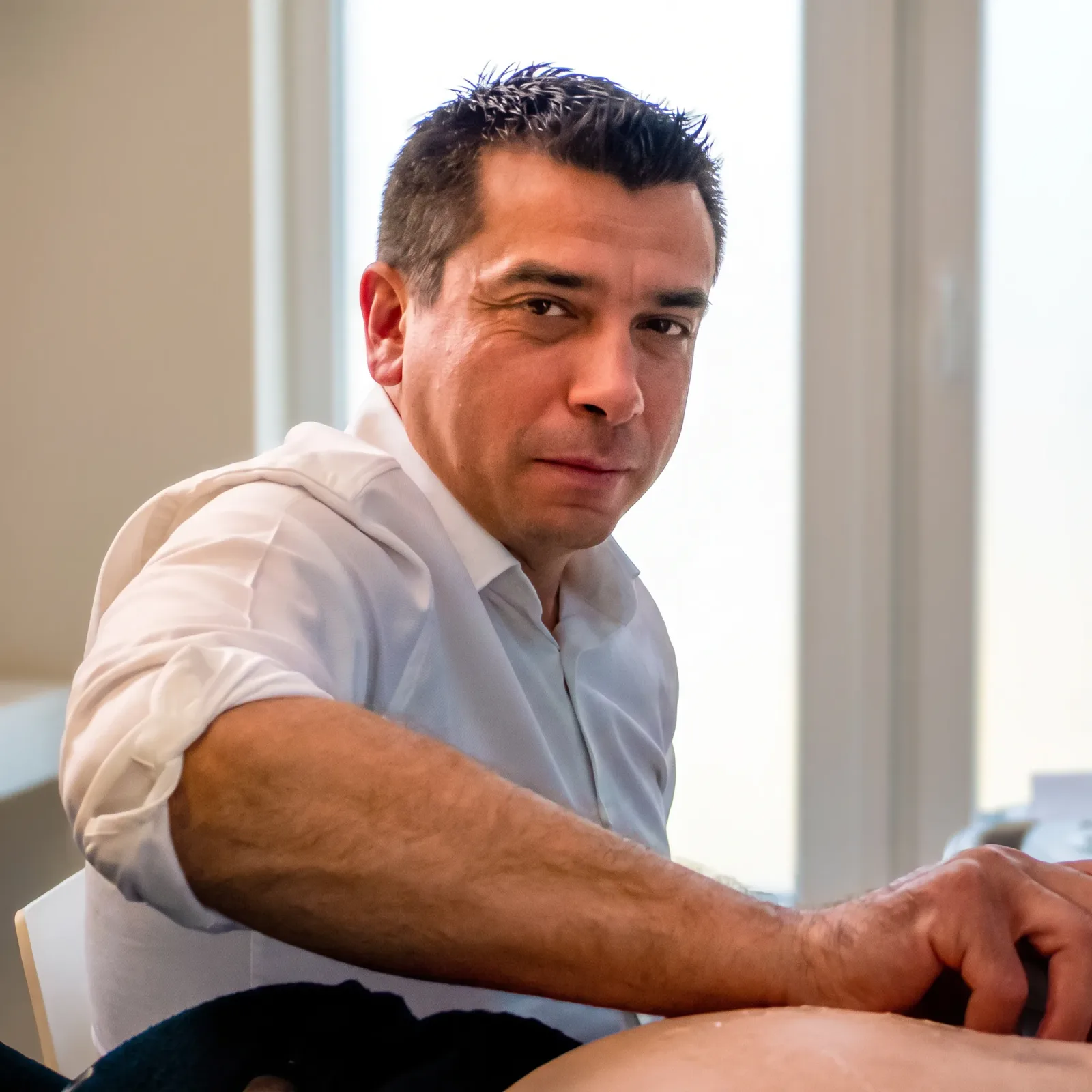
He supports scientific excellence in clinical practice and recognizes the possibilities offered by modern reproductive methods to couples who wish to have a child of their own.
His profileThe content of this article is for information only and does not replace a medical examination and advice.