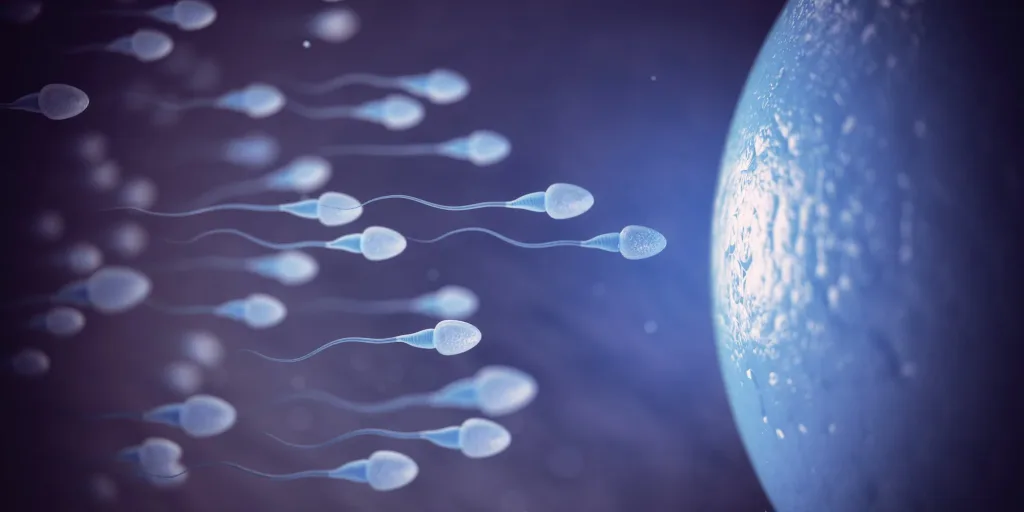
LOW SPERM COUNT AND TREATMENT OPTIONS
Infertility is the condition in which a man and a woman cannot conceive naturally. In Europe, infertility affects 13% of couples, with one third attributed to male factor infertility. Without the help of a fertility specialist, the chance of conceiving is very small. Male factor infertility means that a man is unable to make his female partner pregnant. Male infertility can present in several ways. In most cases, however, the problem stems from the sperm count.
What causes a low sperm count?
Men produce sperm every day in their testicles, and it takes about 2 months for this sperm to mature. On ejaculation, a healthy man releases from 15 million to more than 200 million sperm per millilitre of semen. Men diagnosed with a low sperm count, oligozoospermia, produce fewer than 15 million sperm per millilitre. Do not confuse a low sperm count with a complete absence of sperm, a condition known as azoospermia. A low sperm count means that you are still producing sperm. A number of different factors affect sperm production. Smoking, alcohol, recreational drugs, medicines, stress, toxins and even spending a lot of time in a hot tub can cause the number of sperm you produce to fall. Apart from medicines and lifestyle factors, there are also medical causes of this type of male infertility. A low sperm count means that your sperm has a small chance of fertilising your partner's egg. But that does not mean it is impossible for you and your partner to conceive a baby. There are a number of interventions that help your sperm fertilise your partner's egg.
Symptoms of a low sperm count
Most men do not know they have a low sperm count until they and their partner have been unable to conceive after a year of unprotected intercourse. A man may have inherited a chromosomal abnormality, or may have a hormonal imbalance, a blockage or a problem with dilated testicular veins. Some signs of a low sperm count to watch out for:
- Pain or swelling in the testicles
- A lump in or around the testicles
- Reduced facial or body hair (hormonal imbalance or chromosomal disorder)
- Erectile dysfunction
- Low sex drive
- Difficulty ejaculating
If you have any of the symptoms above, or if you have been actively trying to conceive without success, book a visit with a reproductive specialist and have tests so that, together, you can get the answers you need.
Treatment for a low sperm count
Basic biology tells us that the road to conception depends on healthy sperm and a healthy egg coming together so that fertilisation can take place. If this does not happen naturally, assisted reproductive technology is there to help. Depending on the cause of this form of male infertility, treatment may be:
- Hormone treatment: In some patients, low levels of the pituitary hormones that stimulate sperm production cause a low sperm count. Treatment is similar to the treatment of hormonal imbalance in women. Specific injectable hormones can raise the sperm count enough for conception to happen naturally.
- Antibiotics: In a small number of cases, an infection interferes with sperm production and causes inflammation or scarring that stops the sperm from moving towards its target. If there is no permanent damage, antibiotic treatment may help. If the scarring and damage are very extensive, the doctor can retrieve sperm surgically.
- Surgical treatment: If the cause of your low sperm count is a blockage, your doctor may recommend surgery to remove it. Surgery is also sometimes used to retrieve sperm in a procedure called microsurgical epididymal sperm aspiration (MESA) or testicular sperm extraction (TESE). These procedures involve inserting a small needle directly into the testicle (under anaesthesia) and collecting sperm for IVF with ICSI.
- IVF with ICSI: IVF with intracytoplasmic sperm injection, or ICSI, is by far one of the most successful treatments for a low sperm count. IVF involves collecting eggs from the female partner and processing them in the laboratory. The laboratory oversees fertilisation using the male partner's sperm, and once a healthy embryo has developed, the doctor transfers it to the woman's uterus. ICSI helps when the man has a low sperm count. The procedure takes the strongest and healthiest sperm and places a single sperm directly into the egg for fertilisation. By far the most successful treatment is IVF with ICSI.
If you have been actively trying to conceive without success, it is time to find out the exact causes and your options. Always guided by each person's individual needs and with up-to-date information, we stand by you with respect and empathy on your fertility journey. Contact the Alexandros Traianos Reproductive & Fetal Medicine Centre by calling or by filling in the contact form. We are here with the answers you need!

He supports scientific excellence in clinical practice and recognizes the possibilities offered by modern reproductive methods to couples who wish to have a child of their own.
His profileThe content of this article is for information only and does not replace a medical examination and advice.