IVF (MEDICINE USE)
CONTENTS
Book an appointment
Discuss your case with the physician and find out what the next steps are.
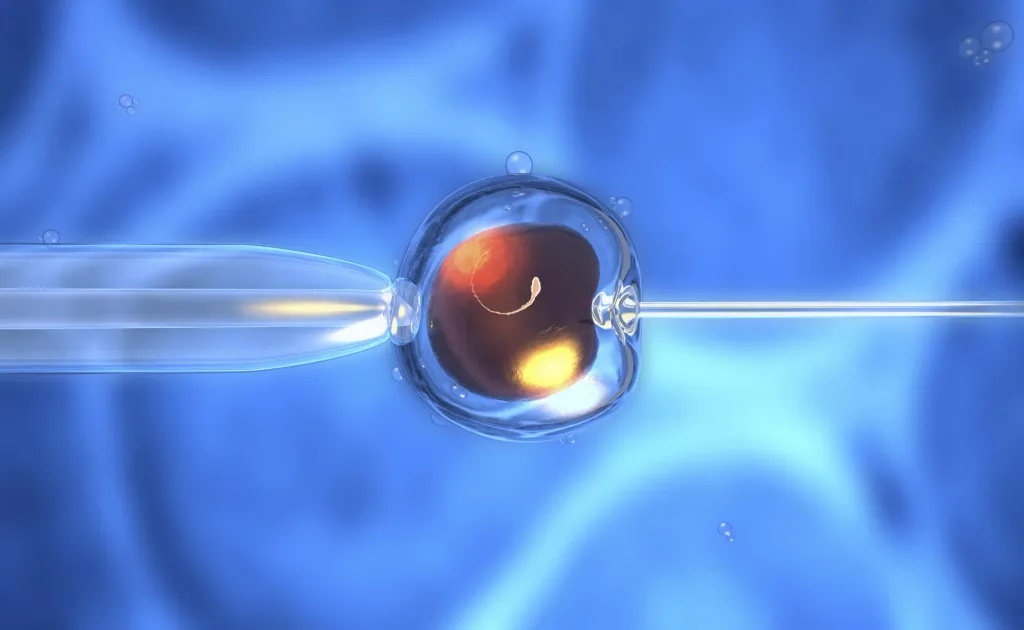
For many couples with fertility problems, in vitro fertilisation (in vitro fertilization – IVF) is the best solution for achieving a pregnancy. It can be used to treat a range of causes of infertility, such as mild sperm problems, endometriosis, damage to the fallopian tubes or unexplained infertility. In conventional IVF, the eggs are fertilised by the sperm in the laboratory (instead of in the woman's fallopian tubes). Fertilisation can be achieved either by conventional in vitro fertilisation (IVF) or by intracytoplasmic sperm injection (Intra-cytoplasmic sperm injection – ICSI).
The history of IVF
Robert G. Edwards was to become the most famous biologist of his time when, on 25 July 1978, he announced the birth in England of Louise Brown, the first "test-tube baby", together with the obstetric surgeon Patrick Steptoe and the midwife Jean Purdy. Since then, developments have been rapid: a revolution came with the announcement of successful intracytoplasmic sperm injection (ICSI) in 1992 (Palermo) and its variants, MESA (Silber & Asch, 1992) and TESE (Schoysman, 1993). Male factor infertility is considered to have been practically overcome. In Greece, the first child conceived by IVF was born on 20 January 1982 and was the 13th test-tube baby in the world.
The stages of IVF – The process
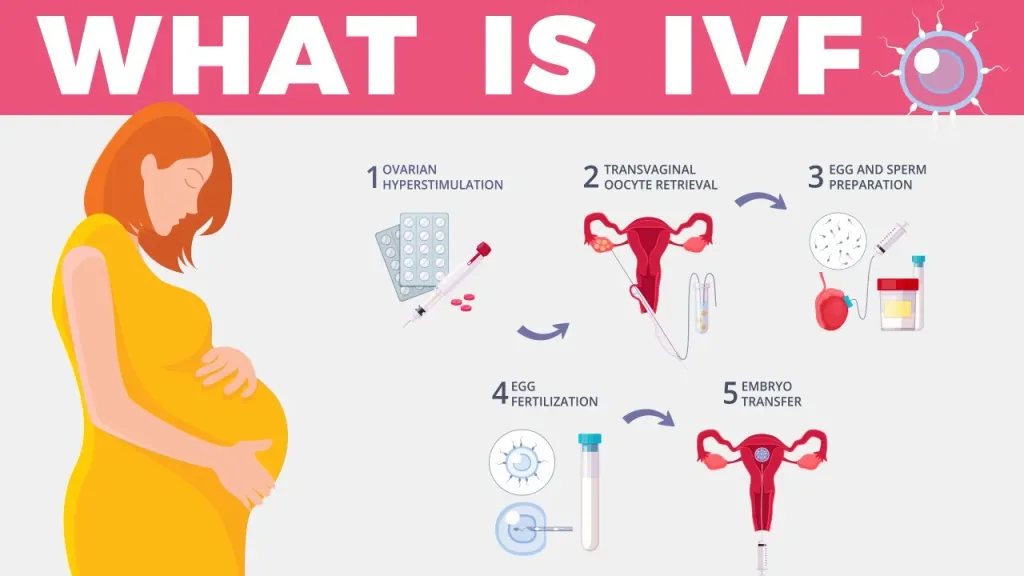
An IVF treatment cycle includes the following stages:
Investigation and diagnosis of infertility
Preliminary tests
Ovarian stimulation with medication (12-14 days), with the aim of developing multiple follicles. We choose the type of protocol based on the particular features of each woman's cycle, her age, previous attempts and other factors we assess
Monitoring with a series of ultrasound scans and hormone measurements. Monitoring takes place every two to three days in order to optimise the daily medication dose and achieve the best possible outcome for your attempt
Triggering final egg maturation (a single evening injection). On the day the follicles have matured sufficiently, the final injection is given, which times the final maturation of the eggs and ovulation
Egg retrieval (collection of the eggs). The eggs are retrieved from the ovaries transvaginally by needle aspiration under continuous ultrasound guidance. Egg retrieval is short (10-30 minutes) and practically painless because it is performed under sedation
Sperm collection. In cases of azoospermia, testicular biopsy (TESE) is recommended
Fertilisation of the eggs by the sperm. In this laboratory stage, the eggs are brought into contact with the sperm. When the semen parameters are normal, conventional IVF is chosen as the method of fertilisation. In the conventional method no intervention is made. For many couples with poor sperm quality, where the sperm cannot fertilise the egg on its own, intracytoplasmic sperm injection (ICSI – Intracytoplasmic Sperm Injection) is chosen, which allows the eggs to be fertilised successfully even in difficult cases of severe oligoasthenoteratozoospermia. The next day the embryologist checks and records the proportion of normally fertilised eggs
Embryo culture. After fertilisation, the embryos are cultured in the laboratory for 2 – 6 days, up to the blastocyst stage. Proper cell division is a key criterion of their quality
Embryo transfer. The best embryos are selected and transferred into the uterine cavity. The embryos are transferred to the uterus two to six days after egg retrieval. It is a painless procedure that does not require sedation. Using a thin catheter, the embryos are placed in the endometrial cavity
Pregnancy test (13 days after embryo transfer, with a blood test to measure the hormone beta-hCG)
Confirmation of clinical pregnancy by transvaginal ultrasound (4 weeks after embryo transfer).
Confirmation of an ongoing pregnancy at the 12th week of pregnancy, i.e. 10 weeks after embryo transfer.
Optional procedures (depending on the history)
Embryo or egg freezing. Freezing allows eggs, sperm and embryos to be preserved for an extended period (five years or even longer). With the new freezing method, vitrification, survival and pregnancy rates appear to be higher than with slow controlled freezing
Assisted hatching is a technique performed in the laboratory that helps the embryo to hatch. It is recommended when the zona pellucida of the embryos is thick or hard, for cryopreserved embryos, and for women with previous unsuccessful attempts
Preimplantation genetic diagnosis (PGD) to detect genetic abnormalities, and preimplantation genetic screening (PGS) with the new array CGH method, in patients for whom it is considered necessary.
What patients often ask
Success rates vary at each IVF Center. Very important factors also include the woman’s age, her hormone levels and, of course, the husband’s sperm. In general, rates range around 45% or slightly higher for women up to 35 years of age.
Egg retrieval takes 10–15 minutes, is not painful, is performed under sedation, and after the procedure is completed you can return to your activities.
The association of IVF medications with the risk of developing cancer is the greatest concern for women participating in these programs. However, a plethora of literature references gathered from reliable scientific studies and published in reputable medical journals worldwide are reassuring and do not confirm this concern.
An in vitro fertilization cycle can take up to 2 months to complete. However, each individual is different, and your doctor will discuss the best plan for you. Treatment timelines should be adjusted based on how each patient responds to their medication.
During stimulation, you should have appointments at your clinic every other day to monitor follicle development and hormone levels. The monitoring stage may last up to 10 days, so you may need to take a few days off work and, although it is not necessary, you may also wish to take a few days off after the embryo transfer has been completed.
The amount of medication and the frequency of injections differ for each individual.
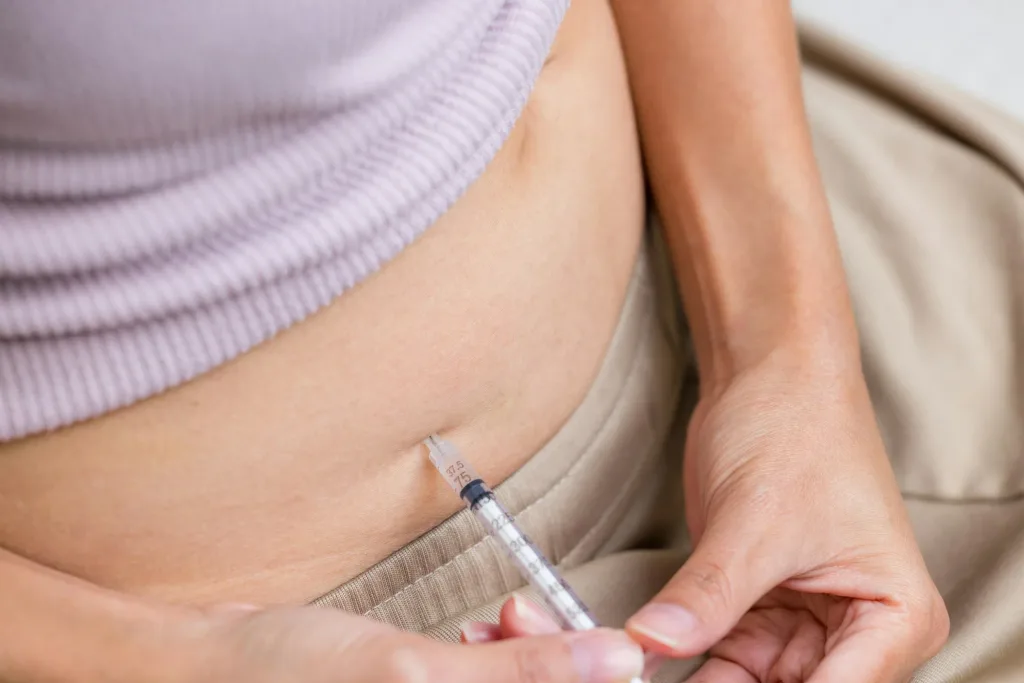
To suppress your ovaries, you will be given medication in the form of a nasal spray or daily injections. Once downregulation has been completed, you will be asked to inject follicle-stimulating and ovulation-inducing hormones daily using small needles. The needle is very small, and most women are surprised by how painless the daily injections are. On the day after egg retrieval, you will be given progesterone supplements or injections.
Related articles
- Assisted ReproductionIVF SCHEDULE
- Informative ArticlesWHAT IS OVARIAN STIMULATION?
- Assisted ReproductionWHAT IS IVF?


He supports scientific excellence in clinical practice and recognizes the possibilities offered by modern reproductive methods to couples who wish to have their own child.
His profileThis information is for general guidance only and does not replace a medical examination and advice.