
PREIMPLANTATION GENETIC SCREENING (PGS)
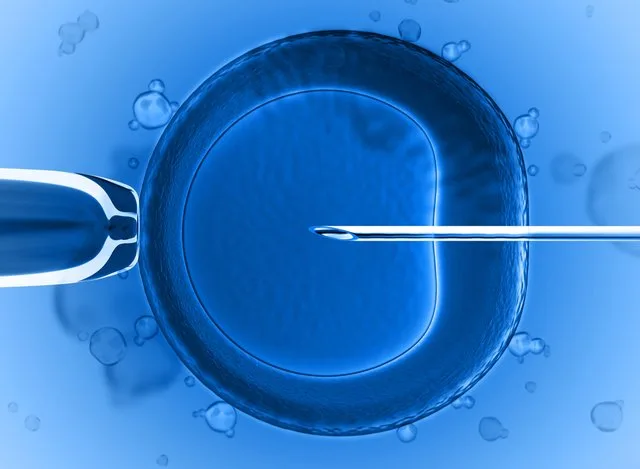
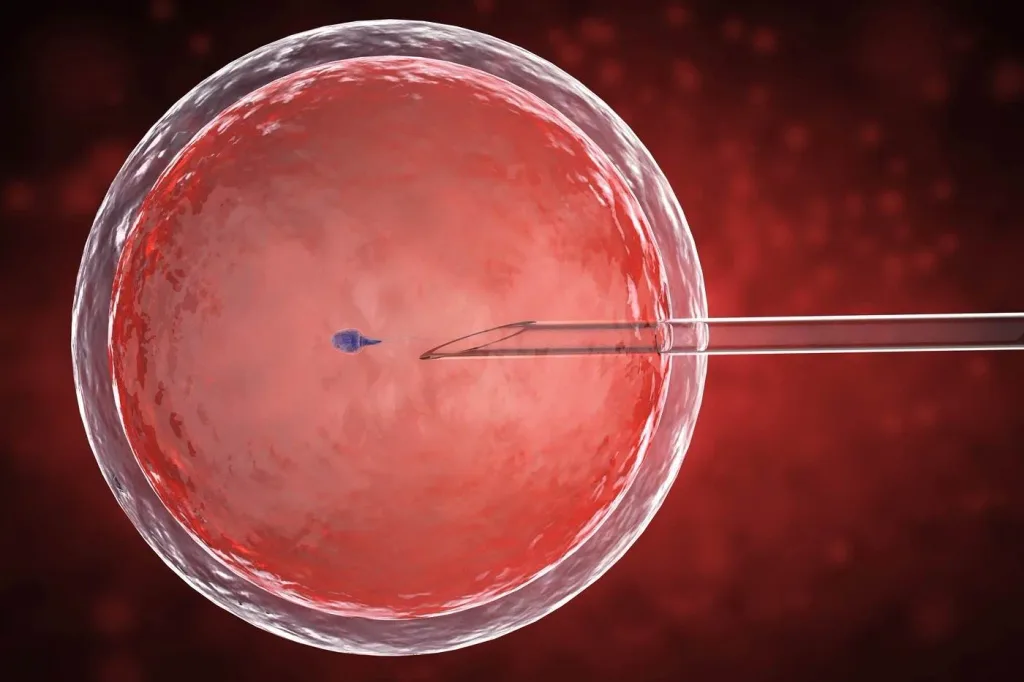
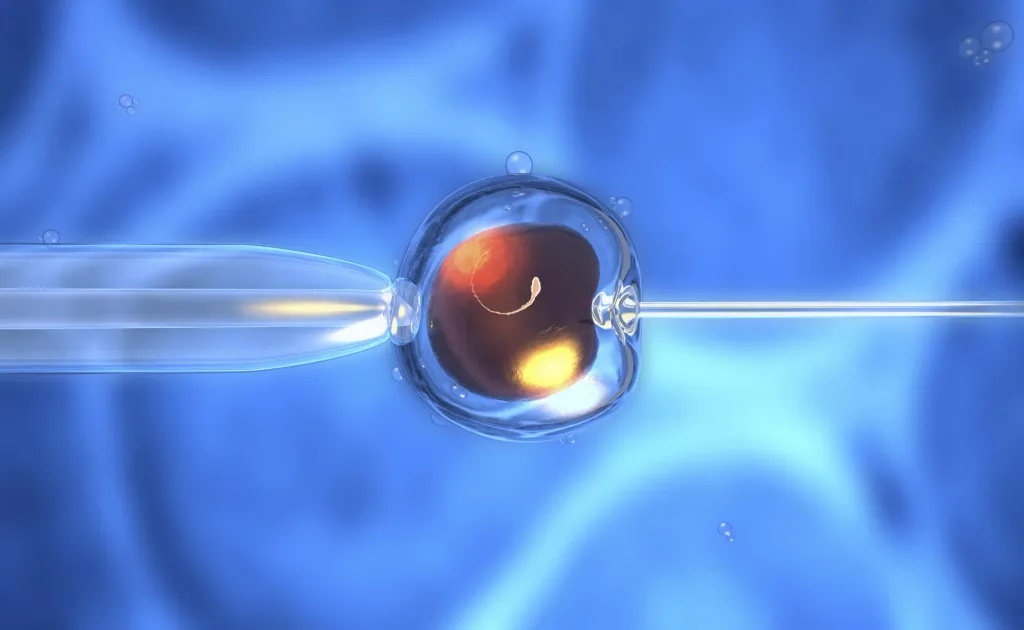
PGS (Preimplantation genetic screening) The purpose of PGS is to identify structural or arithmetic chromosomal abnormalities (aneuploidies), including chromosomal lack of addition or translocation,

SERVICES
Here you will find information on infertility investigation, in vitro fertilization, genetic testing, cryopreservation and prenatal diagnosis.

PGS (Preimplantation genetic screening) The purpose of PGS is to identify structural or arithmetic chromosomal abnormalities (aneuploidies), including chromosomal lack of addition or translocation,

Preimplantation genetic diagnosis (PGD) Pre-implantation genetic diagnosis (PGD) is a laboratory procedure performed prior to embryo transfer to identify hereditary genetic diseases in the fetus.

In vitro fertilization using Danish eggs concerns women who: They treat early menopause They have a history of repeated failed IVF attempts History of recurrent miscarriages History of low quality

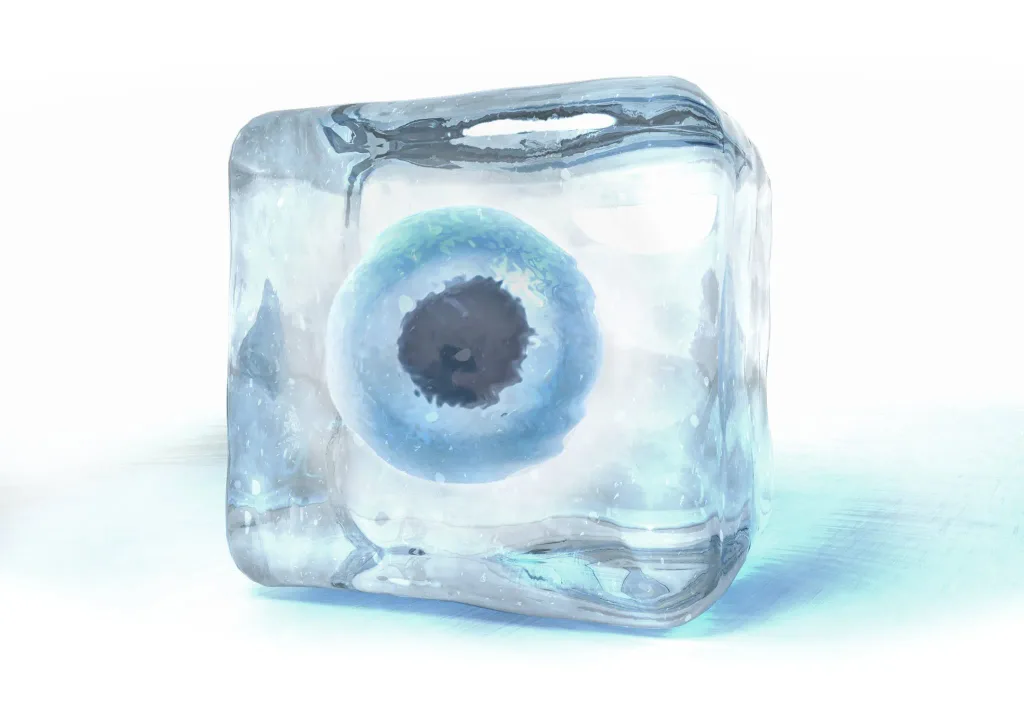
Cryopreservation of egg-laying eggs is a method that has recently begun to be implemented in the field of assisted reproduction and is applied in cases such as: Women with early ovarian failure Women

In vitro fertilization since its inception in 1978 has been the most important scientific breakthrough in the treatment of infertility.

Historical data The first mention of the possibility of freezing semen was made in 1776 by Spallanzani after successful experiments with freezing - thawing human semen in the snow.

Sperm Surgery (TESE) Sperm surgery is recommended in case of azoospermia, ejaculation failure or induced ejaculation failure. The procedure is performed with intravenous or local analgesia.

For many years, couples undergoing IVF treatment have been able to freeze and cryopreserve non-transferable embryos at the end of treatment.

For many couples with fertility problems, in vitro fertilization (IVF) is the best solution for achieving pregnancy.

The first successful IVF attempt in Manchester in 1978 was by the natural cycle method. Although over the years the use of ovarian stimulation medications has changed a lot, in recent years the

IUI is the direct injection of sperm into the internal cavity of the uterus (endometrium) and aims to increase the number of sperm inserted into the fallopian tubes, thereby aiding egg fertilization.

This is a procedure to enhance ovulation in order to increase the number of eggs released per cycle and maximize the chances of conception.

This is a procedure to enhance ovulation in order to increase the number of eggs released per cycle and maximize the chances of conception.

International literature reports that infertile men with normal peripheral blood karyotype have a higher incidence of chromosomal abnormalities in sperm as compared to men with normal sperm counts.

DNA fragmentation is the cleavage in one or both strands of sperm chromosome DNA. When this happens we may have unexplained conception (with normal sperm count) or miscarriages.

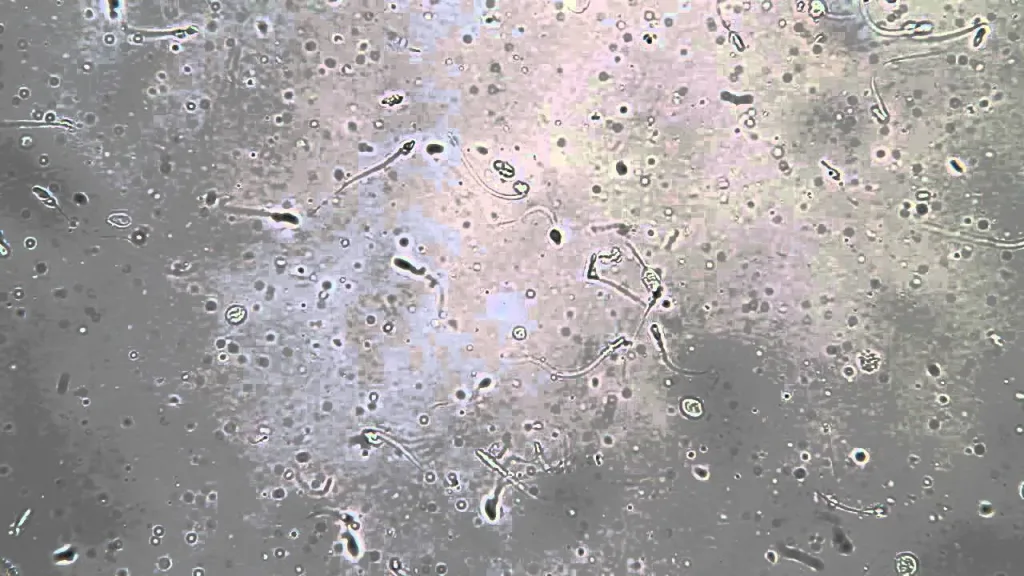
The male factor accounts for 40% of the problem in infertile couples. The evaluation of the male factor is done with the sperm chart. If this is abnormal, it may need to be repeated after 1 month.

Gonorrhea Hemophilic vagina HIV Hepatitis B Hepatitis C Cytomegalovirus Scarlet Toxoplasma

The proper functioning of the fallopian tubes is a prerequisite for pregnancy. THE passability of the fallopian tubes is checked by the following methods: Trumpetography: the oldest method used for

The uterine environment plays a very important role in the fertilization process and its thorough control is necessary before drawing any conclusions about the possible causes of infertility.

Ovulation check has a central role in the investigation of women as it relates to almost 1/3 of all infertility problems.

FSH increases with age as well as in women with few eggs in the ovaries LH may be elevated in Polycystic Ovary Syndrome Estradiol Prolactin: may be elevated in cycle disorders Progesterone : for

This is a recent method by which a blood sample from the 10th week of pregnancy can detect free embryonic DNA in the mother's circulation.

This procedure reduces the volume of amniotic fluid in cases of polyamide, in order to relieve the pregnant woman from severe discomfort and / or shortness of breath, and to reduce the risk of

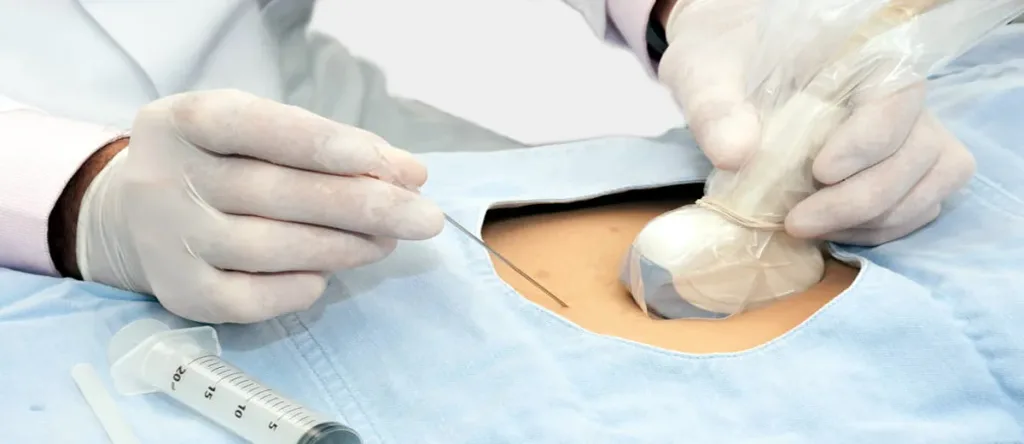
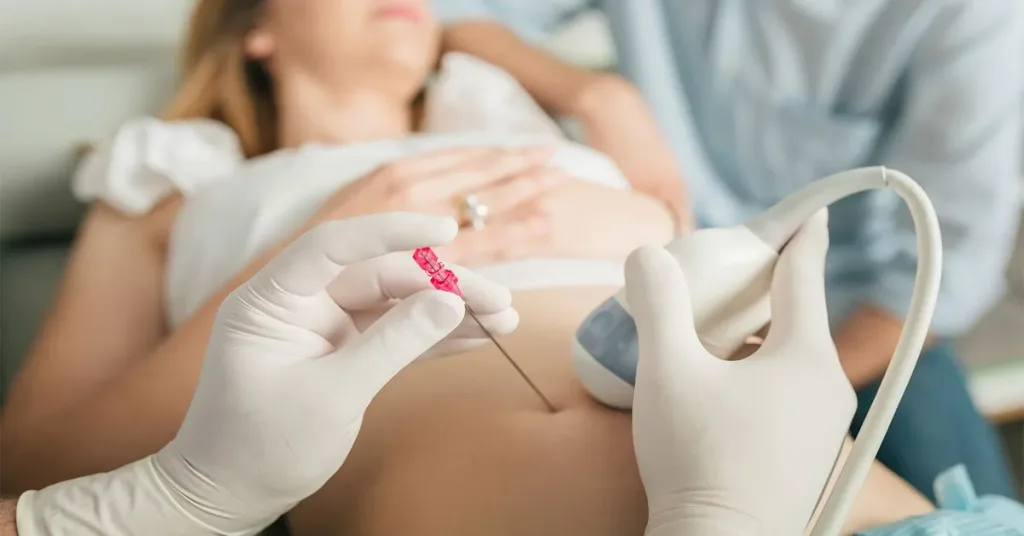
What is amniocentesis? It is a diagnostic invasive examination and involves the analysis of cells, DNA and metabolites in the fluid around the baby (amniotic fluid).

It is basically a placenta biopsy with choroidal lesions, that is, its structural components.

It is a recommended test in all pregnancies. The purpose of this examination is: the detection of a potential problem in the development of the fetus.

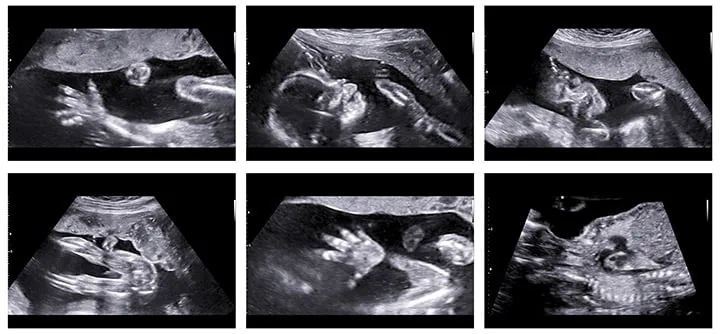
This is a detailed ultrasound at 20-22 weeks of gestation. During the ultrasound we examine in detail the anatomy and all the systems of the fetus, determine the position of the placenta, evaluate

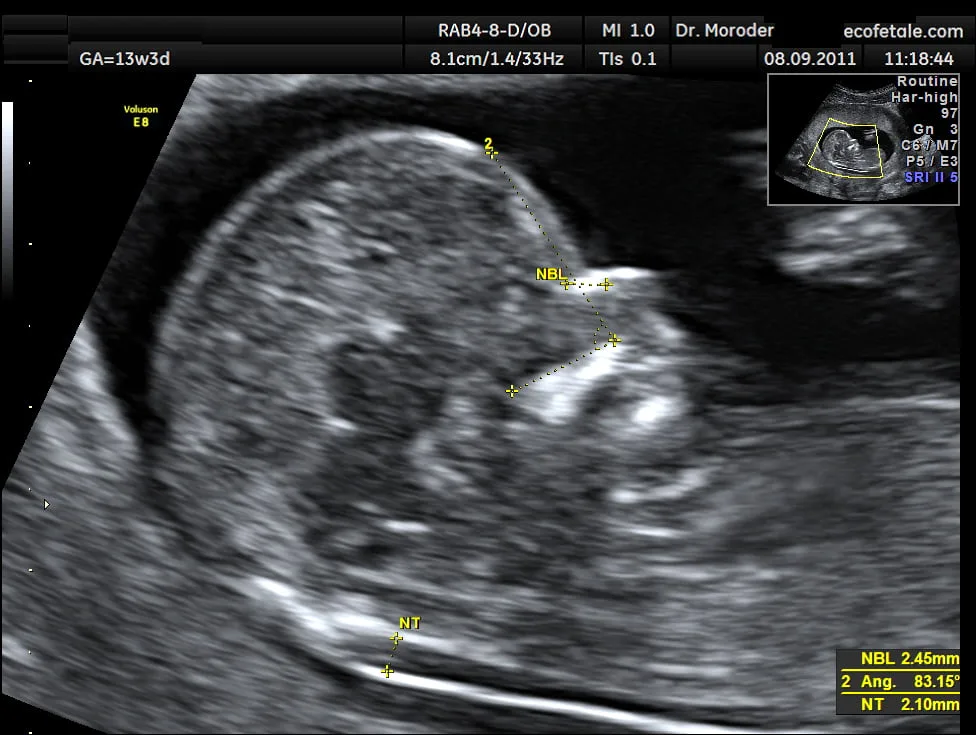
This ultrasound is performed from 11 weeks and 1 day to 13 weeks and six days (CRL 45mm - 84mm).It is usually done transabdominally, bBut in some cases it may be necessary to have the scan

THE NEXT STEP
At the first appointment, we discuss your medical history and any concerns you may have, so that together we can review the options available.
or call us at 2310 277 032
FREQUENTLY ASKED QUESTIONS
Infertility is defined as the failure to achieve conception after one year (or 6 months in the case of a woman over the age of 35) of normal, regular sexual intercourse. In other words, when a year has passed without the woman becoming pregnant, the couple should consult their treating physician, so that the cause preventing pregnancy can be identified and subsequently addressed. However, we should all be aware and not forget that age is the most critical factor for female fertility, and that an individualized approach to each couple is the "golden key" that solves the problem.
Of course not. In approximately one third of cases, infertility is due to the woman (female factor), while in another third of cases it is due to the man (male factor). In the remaining third, it is due to both partners (both the man and the woman) or even to unknown factors.
• alcohol • narcotic substances • environmental toxins, including pesticides and lead • smoking • health problems • medications • radiotherapy and chemotherapy • age
In general, specialists agree that the fact that a couple has already had a child may be considered evidence that, at least initially, there is no infertility problem. It is like a small test that has been carried out and shows that they “succeeded” at least once. On the other hand, however, we should be aware that circumstances may have changed in the meantime and that a problem may have developed (e.g., the man may have had an inflammation affecting the quality of his sperm, or something may have occurred that affects female fertility: an inflammation, gynecological surgery, an abortion, etc.). In any case, therefore, if a reasonable period of time (one year) passes and a couple is unable to achieve a pregnancy, then, with the help of their doctor, they should investigate whether a problem causing infertility has arisen.
Success rates vary at each IVF center. Very important factors also include the woman’s age, her hormone levels, and, of course, her husband’s sperm. In general, rates are around 45% or slightly higher for women up to 35 years of age.
The number of treatment cycles a woman may undergo is not fixed. It is certain that in our country there are highly qualified obstetrician-gynecologists and well-organized infertility treatment centers that provide excellent medical services in this field. Provided that the appropriate indications are present (e.g., ovaries that respond to stimulation treatment, a good-quality endometrium, etc.), the success rate—particularly with the use of newer techniques and biotechnological medicines, which demonstrate increased bioactivity compared with conventional urine-derived medicines—reaches a cumulative rate of approximately 65%–70% after 4 treatment cycles.
Egg retrieval takes 10–15 minutes, is not painful, is performed under sedation, and after the procedure is completed you can return to your activities.
The association between IVF medications and the risk of developing cancer is the greatest concern for women participating in these programs. However, numerous literature references gathered from reliable scientific studies and published in reputable medical journals worldwide are reassuring and do not confirm this concern.
At Dr. Traianos' Reproductive Medicine Center, we offer egg and sperm cryopreservation services for individuals who have a personal or medical reason and require this service. We use the most advanced vitrification technique for the freezing of sperm and eggs.