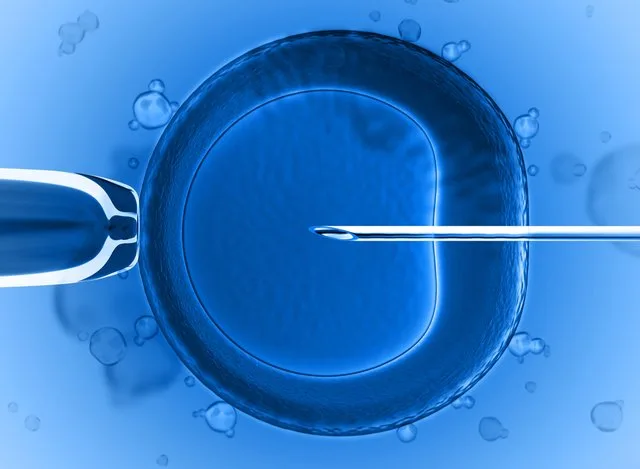
ENDOMETRIAL PREPARATION AND EMBRYOTRANSFER OF BLASTOCYSTS
Book an appointment
Discuss your case with the physician and find out what the next steps are.
For many years, couples undergoing IVF treatment have been able to freeze and cryopreserve non-transferable embryos at the end of treatment. The embryos are stored in liquid nitrogen and can be used at a later date.
Embryo cryopreservation is performed with the new method of vitrification, after embryos reach the blastocyst stage (day 5 or 6), to ensure that only embryos with good growth potential are stored. When decided to use, these embryos are thawed, and at the appropriate stage of the woman's cycle are transferred to the endometrium.
What patients often ask
During an IVF cycle, medications are usually used to prevent the premature release of an egg (premature ovulation). These medications affect progesterone levels. The fertility specialist may therefore prescribe a progesterone supplement to compensate for this reduction in the ovaries' ability to produce progesterone. In this way, an embryo can implant and develop in the uterus. Many scientific studies have examined pregnancy rates in IVF cycles that used progesterone. These studies have shown that the rates are much higher than in cycles where progesterone was not used.
Many studies have been carried out to examine the use of natural progesterone during IVF treatment. These studies have shown that progesterone poses no risk to you or your baby. For some women, however, vaginal preparations may cause discharge and local irritation. If you have any questions about taking progesterone and the options available, contact the Centre for Reproductive Medicine and Fetal Medicine - Dr. Alexandros Traianos for a consultation. For information, call ☎️(+30) 2310 277 032 or send a message to 📧email alexandrostraianos@gmail.com.
Related articles
- Assisted ReproductionEXPLORING THE STAGES OF EMBRYO DEVELOPMENT
- Assisted ReproductionUSEFUL CARE TIPS AFTER EMBRYO TRANSFER
- Fertility AdviceTIPS FOR PREPARING YOUR BODY FOR FETER TRANSPORT


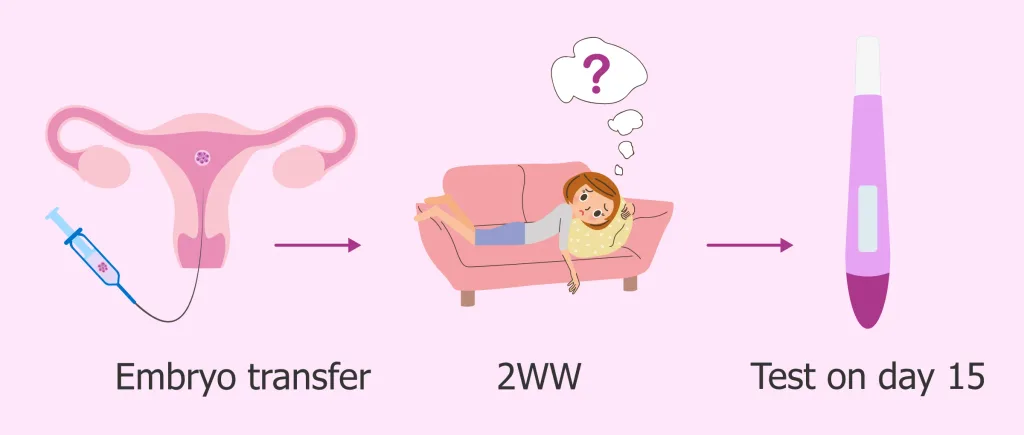

He supports scientific excellence in clinical practice and recognizes the possibilities offered by modern reproductive methods to couples who wish to have their own child.
His profileThis information is for general guidance only and does not replace a medical examination and advice.