
INTRAUTERINE INSEMINATION (IUI)
Book an appointment
Discuss your case with the physician and find out what the next steps are.
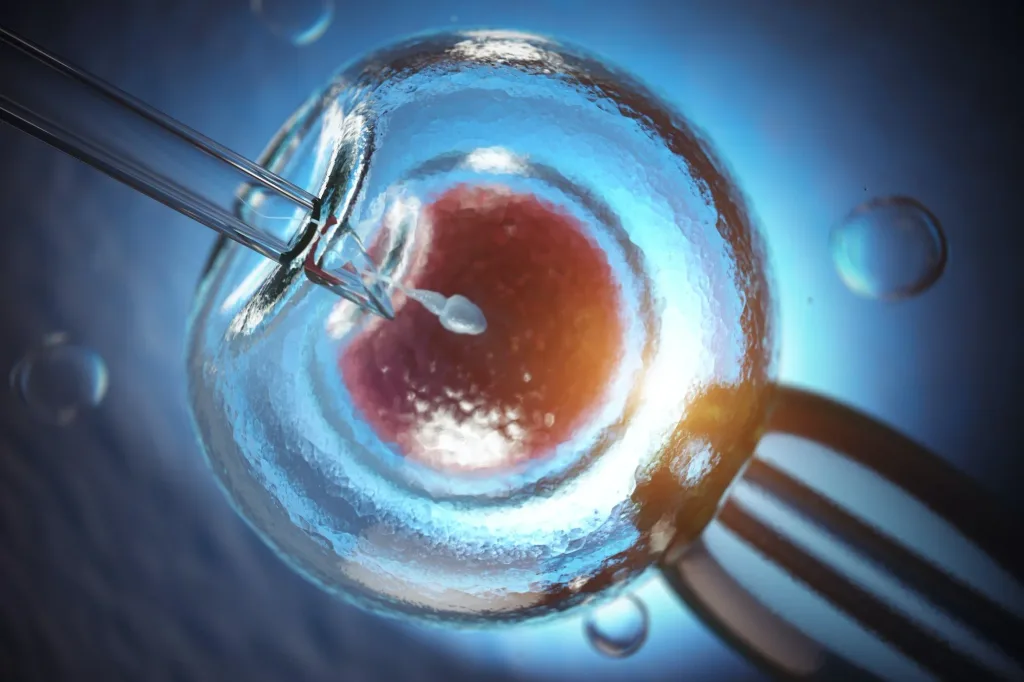
IUI is the direct injection of sperm into the internal cavity of the uterus (endometrium) and aims to increase the number of sperm inserted into the fallopian tubes, thereby aiding egg fertilization. Regardless of whether a sample of semen is produced fresh or defrosted, it must be processed to separate the vital (active) spermatozoa from the remaining constituents of the spermatic fluid. If the semen is not properly processed and placed as it is in the uterus, substances known as prostaglandins may cause uterine contraction, which eliminates infusion while at the same time increasing the risk of infection.
The procedure of insemination is relatively responsible and does not cause pain or discomfort to the patient. The specialist first inserts the vaginal dilator in order to identify the best access to the cervical orifice. After a vaginal wash is performed, a thin, flexible catheter is inserted through the cervix into the uterus. Its exact location is determined using abdominal ultrasound. The sperm are slowly removed in the center of the uterine cavity while the ultrasound confirms the successful infusion.
One obvious disadvantage of insemination when it comes after hormonal ovarian stimulation is the possibility of multiple pregnancies and the associated risks that they may follow, such as ovarian hyperstimulation, premature birth and increased rates of miscarriage.
Success rates vary with age, the couple's fertility problem, and whether the treatment involves ovarian stimulation (increased number of eggs) or is applied during a physical cycle (one egg only). On average the success rate with the insemination method is 20% for each new attempt.
What patients often ask
The best way to determine whether IUI or in vitro fertilization is suitable for you is to consult an experienced fertility specialist. Ultimately, you may know the right decision for you, but specialists can provide recommendations based on your age, your health, and the cause of your infertility. Typically, younger couples see greater success with IUI, so they may be better candidates. However, if fertilization is not successful and multiple rounds of IUI are required, this option can become costly. For this reason, it is important to weigh the costs, benefits, and risks before making your decision.
Each case is unique. The first step is a comprehensive medical and hormonal evaluation of the couple, so that the cause of infertility can be accurately diagnosed. From there, we choose the appropriate method together, based on your needs, age, and medical history.
Related articles
- Short postsINTRAUTERINE INSEMINATION (IUI), A LESS INVASIVE METHOD OF ASSISTED REPRODUCTION
- Assisted ReproductionIUI AND IVF: WHAT IS THE DIFFERENCE?
- Assisted ReproductionINTRAUTERINE INSEMINATION (IUI) - THE ADVANTAGES AND DISADVANTAGES


He supports scientific excellence in clinical practice and recognizes the possibilities offered by modern reproductive methods to couples who wish to have their own child.
His profileThis information is for general guidance only and does not replace a medical examination and advice.