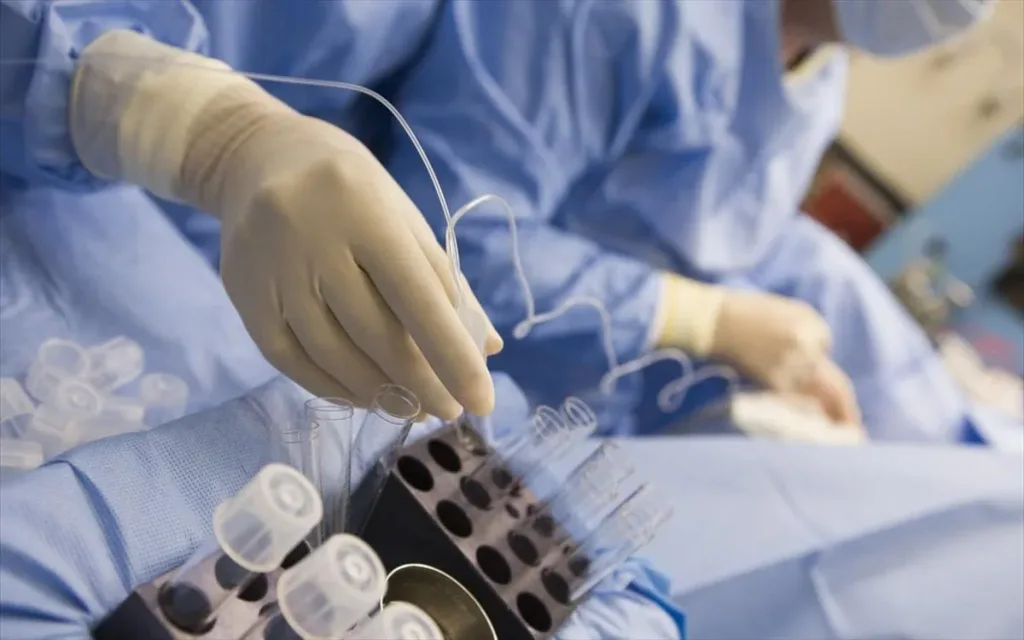
CYTOGENETIC SPERM TESTING (FISH TECHNIQUE)
Book an appointment
Discuss your case with the physician and find out what the next steps are.
International literature reports that infertile men with normal peripheral blood karyotype have a higher incidence of chromosomal abnormalities in sperm as compared to men with normal sperm counts. Indicatively, the most common chromosomal abnormalities are abnormal numbers of racial chromosomes or structural chromosomal abnormalities (eg displacement of genetic material from one chromosome to another). As a result, an increased number of embryos with chromosomal abnormalities can be created, thereby reducing the chances of successful IVF attempts.
Criteria for sperm cytogenetic examination and sperm apoptosis include:
Recurrent biochemical / reciprocal pregnancies in women under 35, with normal peripheral blood karyotype
Poor quality embryos in women under 35 with normal peripheral blood karyotype
Inability of the sperm to fertilize
Men who have undergone radiotherapy or chemotherapy
Men with oligo-patient-teratozoospermia
Unexplained infertility
What patients often ask
• alcohol • recreational drugs • environmental toxins, including pesticides and lead • smoking • health problems • medications • radiotherapy and chemotherapy • age
If you are under 35, you can wait for a year, but over 35 you should consult your doctor after six months of trying to conceive.
Related articles
- Short postsMALE INFERTILITY - SEMEN ANALYSIS
- Short postsSPERM ANALYSIS
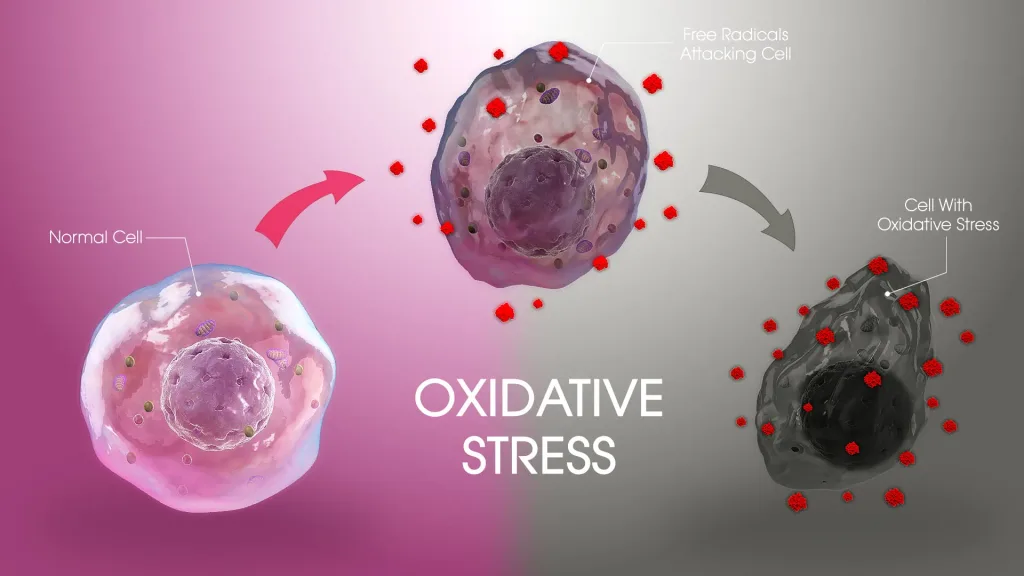
- Fertility AssessmentOXIDATIVE STRESS: THE MAIN CAUSE OF SPERM DNA DAMAGE



He supports scientific excellence in clinical practice and recognizes the possibilities offered by modern reproductive methods to couples who wish to have their own child.
His profileThis information is for general guidance only and does not replace a medical examination and advice.