
MATERNAL ANATOMY
Book an appointment
Discuss your case with the physician and find out what the next steps are.
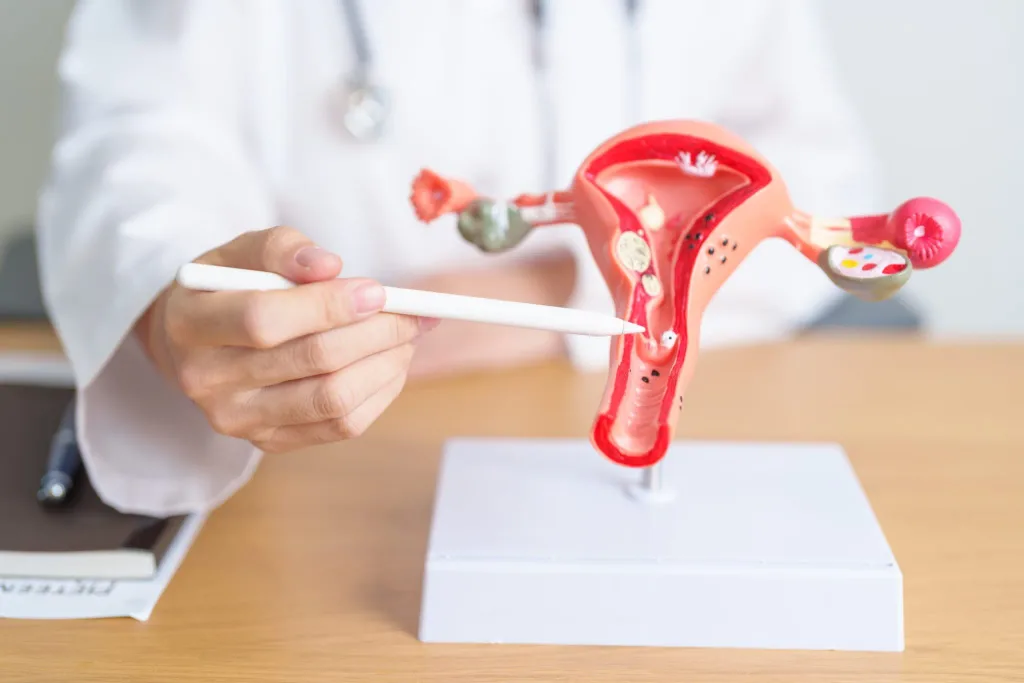
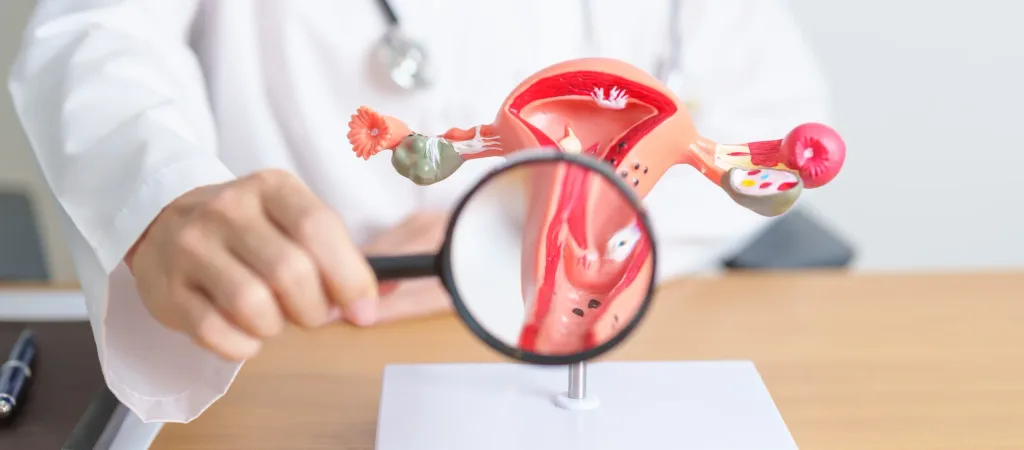
The uterine environment plays a very important role in the fertilization process and its thorough control is necessary before drawing any conclusions about the possible causes of infertility. Possible problems we may encounter during this audit are:
- Congenital abnormalities of the uterus (eg uterine septum, double uterus)
- Acquired uterine abnormalities (eg endometrial adhesions) (eg endometrial adhesions)
- Polyps, fibroids, adenomyosis
All of the above may be related to difficulties in achieving pregnancy or miscarriages. We use one or more of the following tests to diagnose them:
Gynecological ultrasound: intravaginal gynecological ultrasound of the genitals offers an immediate and painless imaging of the uterus. In recent years we have been using a more sensitive form of ultrasound, 3D (3D) gynecological ultrasound that allows us to accurately diagnose congenital uterine abnormalities and has virtually replaced - for this purpose - magnetic resonance imaging.
Hysteroscopy: is a simple examination in which a camera is inserted into the intrauterine cavity through the cervix while the woman is drunk. Using a suitable light source, we can monitor the inside of the matrix on a single screen.
Hydro-ultrasound: a newer imaging method that combines classic gynecological ultrasound (or even 3D ultrasound) with the use of water (for saline accuracy) in the womb. During this examination, saline helps to see clearly the inside of the uterus and diagnose whether or not polyps are present. This way, we can avoid potentially useless hysteroscopy.
What patients often ask
Uterine fibroids are firm, non-cancerous growths that form from the smooth muscle of the uterus. They may appear inside the uterus, in its wall, or on its outer surface. Their sizes vary, from very small to quite large, and they can be single or multiple.
The effect of fibroids on fertility depends on their size, location and number. In many cases, women with small fibroids have no problems trying to conceive. In other cases, however, fibroids can make it harder to conceive for the following reasons: - Interference with implantation: If fibroids are inside the uterine cavity (submucosal fibroids), they can affect implantation of the fertilised egg. - Blocked fallopian tubes: Fibroids located near the fallopian tubes can block them, preventing sperm from reaching the egg or the fertilised egg from reaching the uterus. - Changes in the shape of the uterus: Large or multiple fibroids can change the shape of the uterus, making pregnancy more difficult.
Related articles
- InfertilityFIBROMAS AND THEIR IMPACT ON FERTILITY
- Short postsANATOMY OF THE UTERUS AND FERTILITY
- InfertilityUTERINE POLYPODS


He supports scientific excellence in clinical practice and recognizes the possibilities offered by modern reproductive methods to couples who wish to have their own child.
His profileThis information is for general guidance only and does not replace a medical examination and advice.