
Fertility Assessment
FERTILITY TESTS
It is best to seek the help of a specialist in Reproductive Medicine and Fetal Medicine if you are under 35 and have not achieved a pregnancy within 12 months. For couples...
28 December 2020 · 7′ read
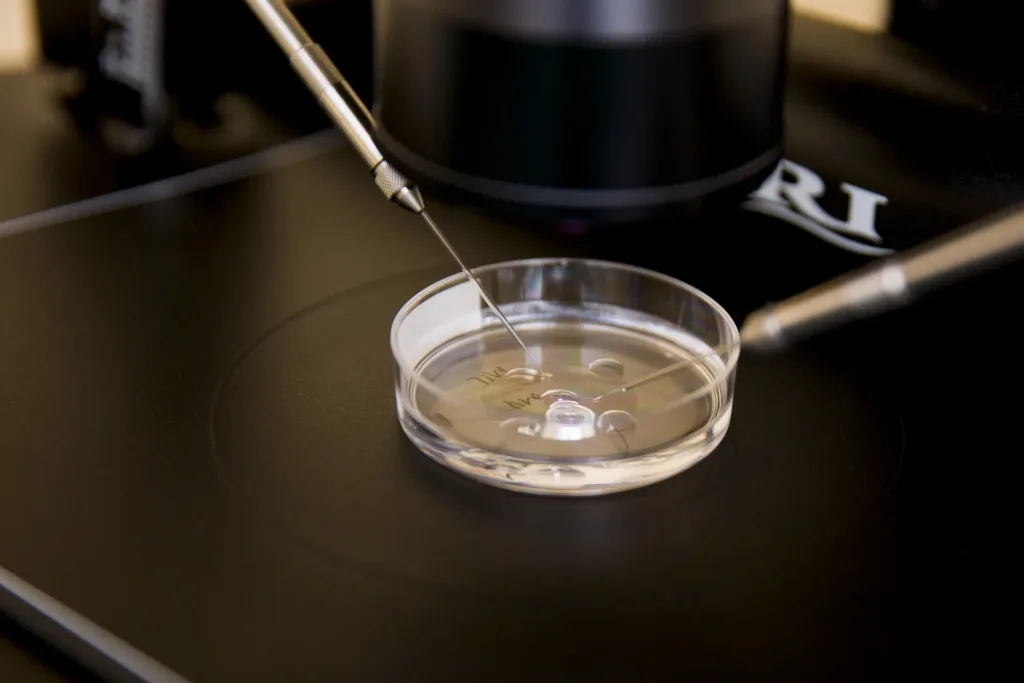
OUR NEWS
Articles on infertility, assisted reproduction, fertility testing, and cryopreservation.
It is best to seek the help of a specialist in Reproductive Medicine and Fetal Medicine if you are under 35 and have not achieved a pregnancy within 12 months. For couples...

Possible obstacles and necessary tests It can be frustrating when friends and relatives repeatedly ask you when you plan to start a family. It can be worse when...

Mothers with SARS-CoV-2 infection Mothers with SARS-CoV-2 infection rarely transmit the virus to their newborns when basic infection control practices are followed, according to a new study by researchers...
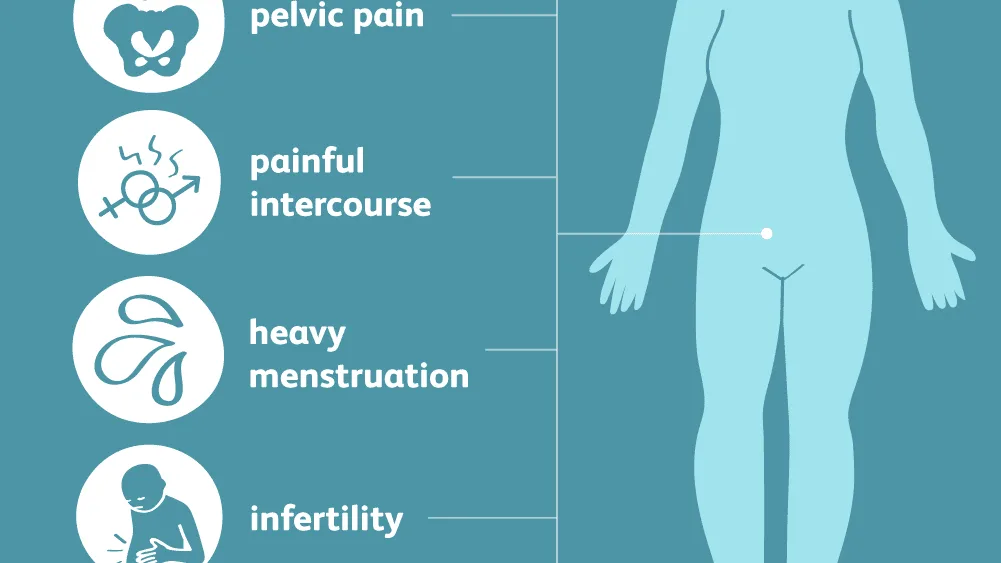
Endometriosis and obstetric complications Doctors suggest ways to reduce obstetric complications in women with endometriosis Endometriosis is a pathological process accompanied...

Egg freezing is a new opportunity for women to extend their fertile years NEW TECHNIQUES AND TECHNOLOGIES IN CRYOPRESERVATION OFFER A CHOICE, ESPECIALLY TO MANY YOUNG...
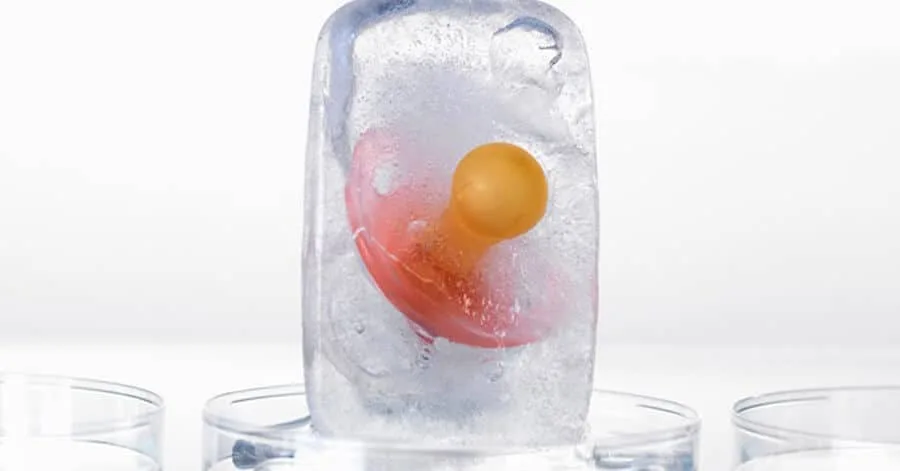
About the egg freezing method Embryo freezing is a procedure that has long been used in fertility treatment and a laboratory technique that has been studied extensively....
About infertility Women are often blamed for being unable to get pregnant, but the figures show that infertility is caused equally by men (40%) and...

Eating chocolate during pregnancy (part two) Both low- and high-flavanol chocolate may benefit the fetus. The researchers enrolled...

Eating chocolate during pregnancy may benefit fetal growth. Good news for all mothers-to-be out there: eating 30 g of chocolate every day during...

5 Myths about infertility, IVF and fertility There are many misconceptions about fertility, IVF and fertility treatments in general. The...

Severe acute respiratory syndrome coronavirus (SARS-CoV-2) is present in the semen of some patients with COVID-19, including recovering patients, according to a study published online...

What obligations does an employer have towards pregnant employees during the coronavirus crisis? Government guidance during the coronavirus crisis (COVID-19) is that all...

THE NEXT STEP
At the first appointment, we discuss your medical history and any concerns you may have, so that together we can review the options available.
or call us at 2310 277 032
FREQUENTLY ASKED QUESTIONS
Infertility is defined as the failure to achieve conception after one year (or 6 months in the case of a woman over the age of 35) of normal, regular sexual intercourse. In other words, when a year has passed without the woman becoming pregnant, the couple should consult their treating physician, so that the cause preventing pregnancy can be identified and subsequently addressed. However, we should all be aware and not forget that age is the most critical factor for female fertility, and that an individualized approach to each couple is the "golden key" that solves the problem.
Of course not. In approximately one third of cases, infertility is due to the woman (female factor), while in another third of cases it is due to the man (male factor). In the remaining third, it is due to both partners (both the man and the woman) or even to unknown factors.
• alcohol • narcotic substances • environmental toxins, including pesticides and lead • smoking • health problems • medications • radiotherapy and chemotherapy • age
In general, specialists agree that the fact that a couple has already had a child may be considered evidence that, at least initially, there is no infertility problem. It is like a small test that has been carried out and shows that they “succeeded” at least once. On the other hand, however, we should be aware that circumstances may have changed in the meantime and that a problem may have developed (e.g., the man may have had an inflammation affecting the quality of his sperm, or something may have occurred that affects female fertility: an inflammation, gynecological surgery, an abortion, etc.). In any case, therefore, if a reasonable period of time (one year) passes and a couple is unable to achieve a pregnancy, then, with the help of their doctor, they should investigate whether a problem causing infertility has arisen.
Success rates vary at each IVF center. Very important factors also include the woman’s age, her hormone levels, and, of course, her husband’s sperm. In general, rates are around 45% or slightly higher for women up to 35 years of age.
The number of treatment cycles a woman may undergo is not fixed. It is certain that in our country there are highly qualified obstetrician-gynecologists and well-organized infertility treatment centers that provide excellent medical services in this field. Provided that the appropriate indications are present (e.g., ovaries that respond to stimulation treatment, a good-quality endometrium, etc.), the success rate—particularly with the use of newer techniques and biotechnological medicines, which demonstrate increased bioactivity compared with conventional urine-derived medicines—reaches a cumulative rate of approximately 65%–70% after 4 treatment cycles.
Egg retrieval takes 10–15 minutes, is not painful, is performed under sedation, and after the procedure is completed you can return to your activities.
The association between IVF medications and the risk of developing cancer is the greatest concern for women participating in these programs. However, numerous literature references gathered from reliable scientific studies and published in reputable medical journals worldwide are reassuring and do not confirm this concern.
At Dr. Traianos' Reproductive Medicine Center, we offer egg and sperm cryopreservation services for individuals who have a personal or medical reason and require this service. We use the most advanced vitrification technique for the freezing of sperm and eggs.